Best Machu Picchu Travel Information 2026
There is a little moment, usually right after the morning mist begins to lift, when you catch your first proper glimpse of Machu Picchu travel. The terraces materialize from the clouds, the mountains close in from every side, and the whole scene feels almost too extraordinary to be real. That moment alone is worth the planning, the altitude, and the long journey to get there.
Whether you’re considering a day trip from Cusco, dreaming about trekking the Inca Trail, or simply trying to figure out how the whole thing actually works, this guide has you covered. We’ll walk through everything: how to get there, when to go, which ticket to buy, what to pack, and what to expect once you’re inside.
Why Machu Picchu Belongs on Your Bucket List
People visit Machu Picchu for different reasons, and somehow it manages to deliver for all of them.
History lovers come for the stonework; the way the Inca built this entire city in the 15th century without mortar, without wheels, and at 2,430 meters above sea level is genuinely astonishing. Adventurers come for the trekking routes that wind through cloud forest and mountain passes before delivering them to the Sun Gate. And then there are the visitors who didn’t expect to feel anything particularly profound and end up standing at the viewpoint in complete silence, unsure what just happened to them.
The combination of natural beauty, cultural depth, and sheer remoteness makes Machu Picchu unlike anywhere else. If you’ve been on the fence about whether it’s worth the effort, it is.
When Is the Best Time to Visit Machu Picchu?
Timing your trip matters more here than at most destinations. The Andes have two very distinct seasons, and each comes with genuine trade-offs.
Best Season
The dry season runs from May through September. Skies are generally clear, the hiking conditions are excellent, and the light for photography is hard to beat. The downside is that everyone else knows this too. June, July, and August are the busiest months of the year, and tickets can sell out within minutes of going on sale. If this is when you’re going, book everything months in advance.
Wet Season
The wet season covers November through March. Rain is frequent, trails can get slippery, and the fog doesn’t always clear. But the site feels more atmospheric, the vegetation is vivid green, and you’ll share the ruins with far fewer people. For many travellers, the quieter experience is worth the occasional downpour.
April and October sit in the middle; the rain is easing off in April, and October hasn’t quite descended into the wetter months yet. These shoulder seasons offer a genuinely good balance of manageable weather and thinner crowds. If your schedule is flexible, they’re often the smartest choice.
Best month
If you are looking for the best of the best, here is my recommendation as a local guide after many years of guiding. May is without a doubt the best month to visit Machu Picchu, early in the morning during the day; this will definitely make your trip the best experience so far. However, I recommend you book your Machu Picchu tickets high in advance to secure your spot. As you want to visit it in the best month, there are hundreds of travelers asking the same question. Even the last weeks of April are still a great time.
Getting to Machu Picchu: Your Options
There’s no road that leads to Machu Picchu. Every visitor arrives the same way: by train to the town of Aguas Calientes at the base of the site, then either by bus or on foot up to the entrance. The journey is part of the experience.
By Train
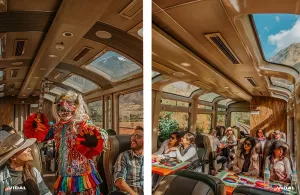
Most people travel from Cusco to Machu Picchu or Ollantaytambo to Machu Picchu, which has more frequent departures. The two main operators, PeruRail and Inca Rail, offer a range of classes from budget-friendly carriages to luxury services with panoramic windows. The ride itself is beautiful, winding down through the Sacred Valley and into increasingly dense cloud forest. From Aguas Calientes, the official bus company runs every 20 minutes and takes about half an hour to reach the entrance gate.
By Trekking
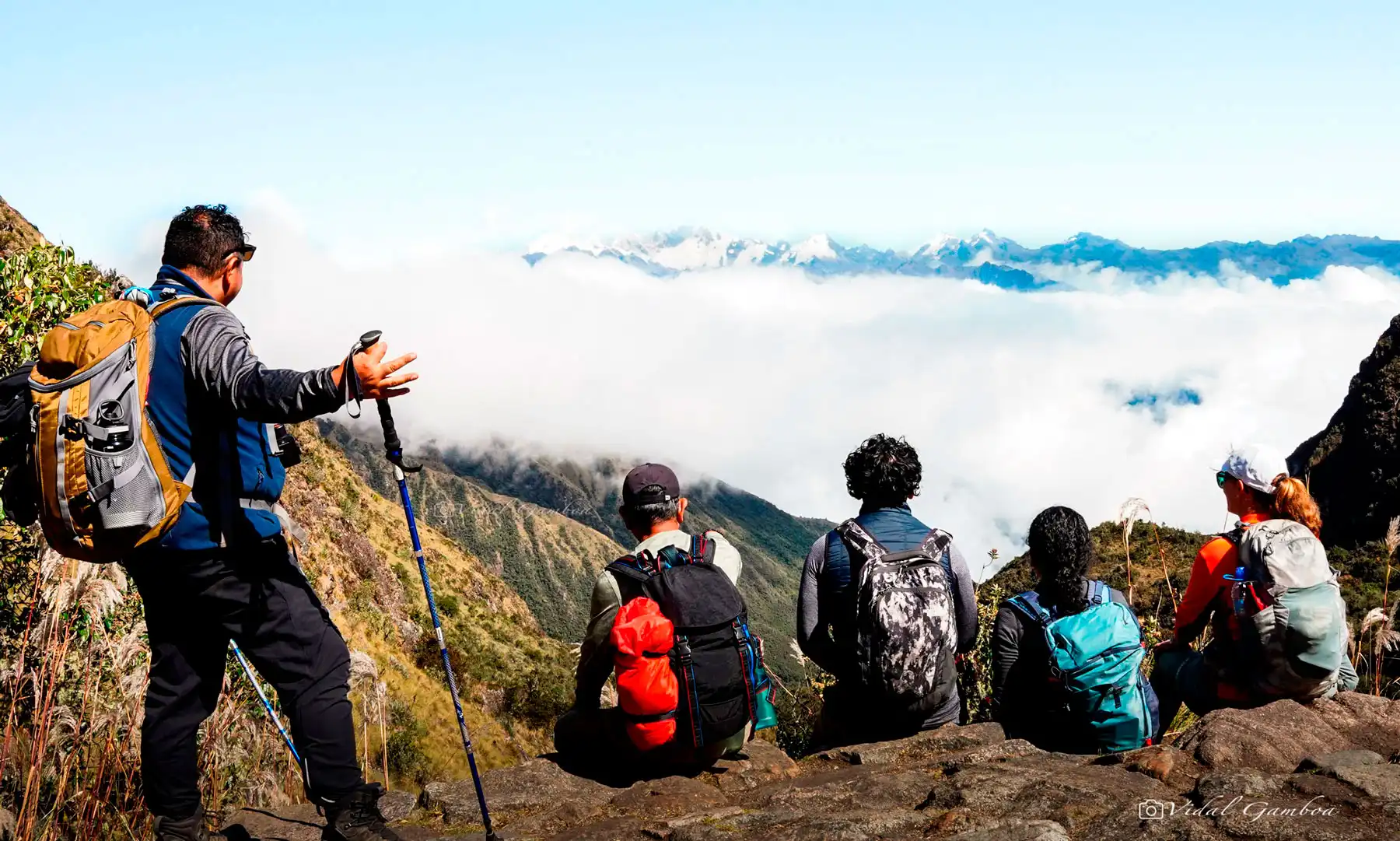
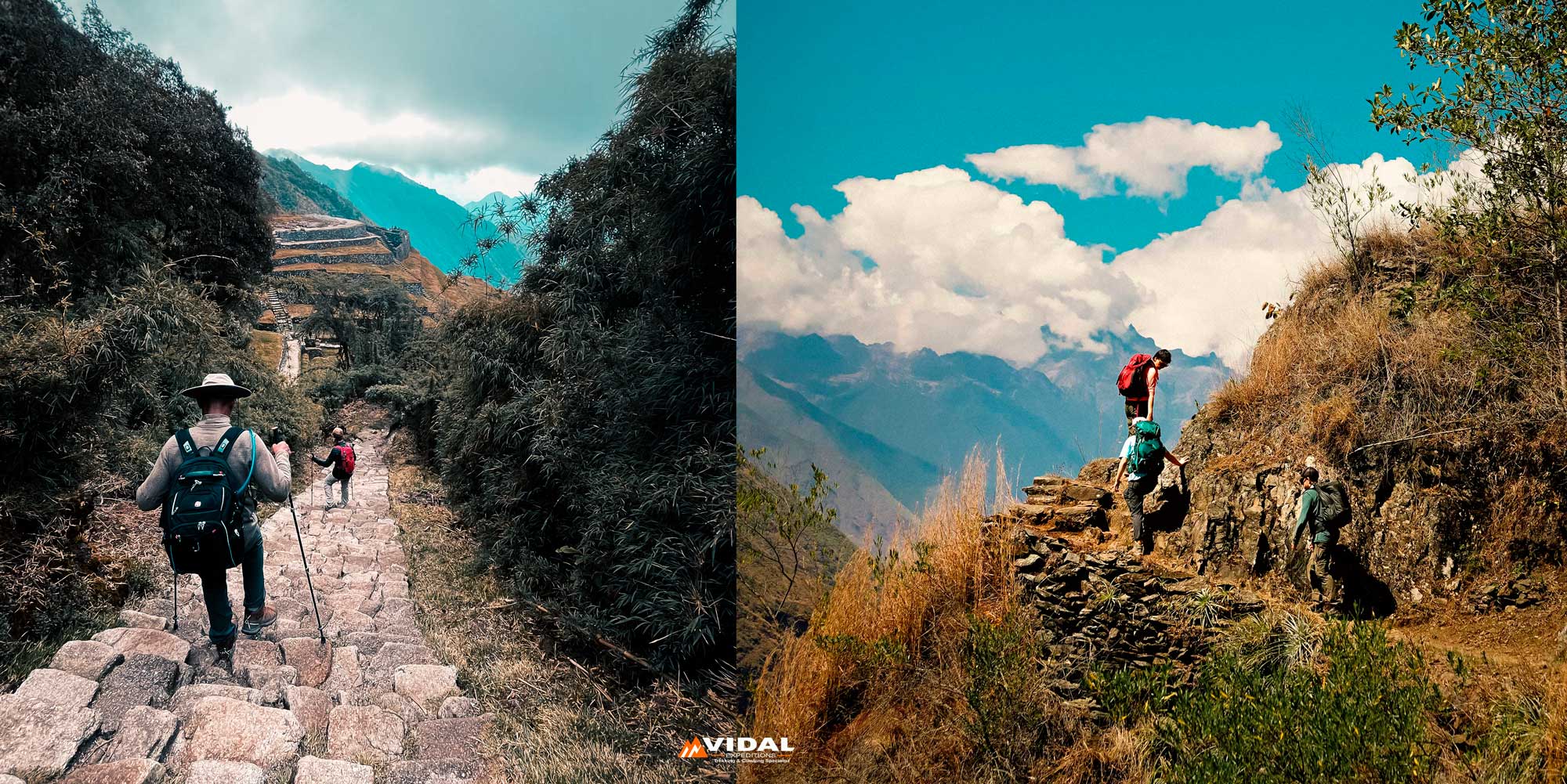
For those who want to earn the view, there are several hiking routes that lead to Machu Picchu, and they vary considerably in difficulty, scenery, and duration.
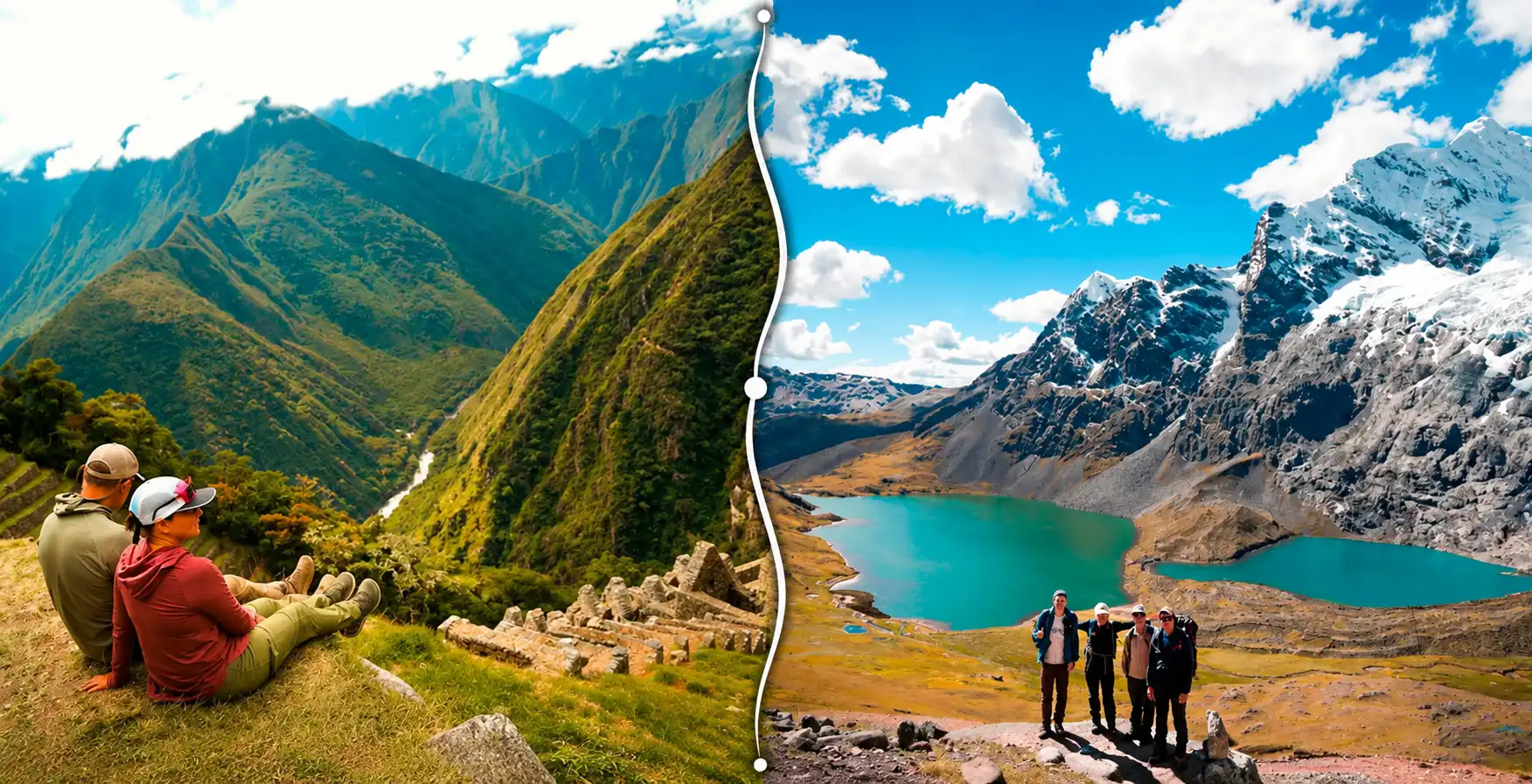
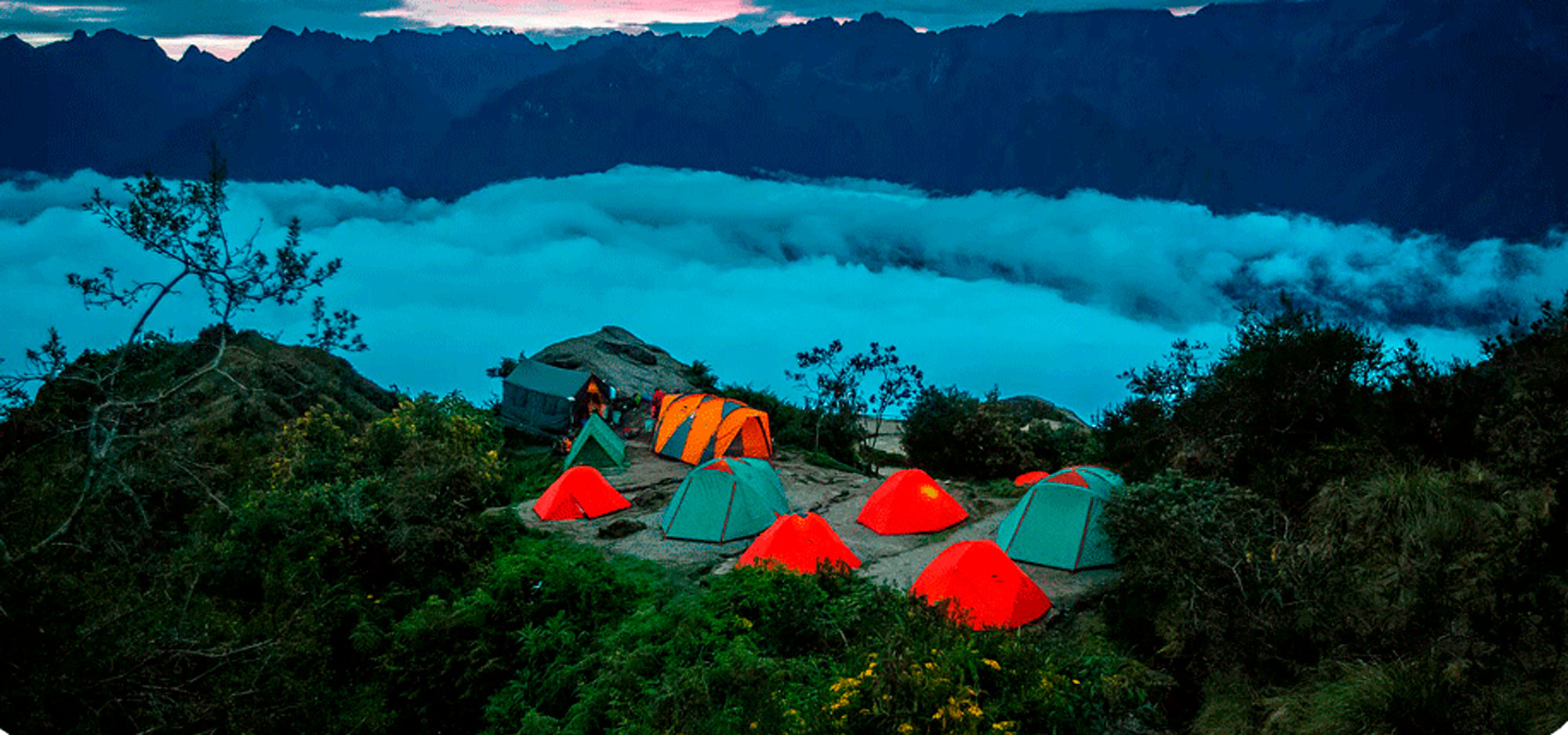
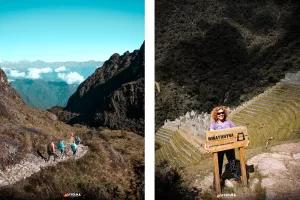
The Inca Trail is the most iconic. It’s a four-day trek that follows original Inca pathways through mountains and cloud forest and past a series of smaller ruins before arriving at the Sun Gate, your first elevated look down over the citadel. Permits for this Classic Inca Trail are strictly limited and sell out many months ahead, sometimes within hours of opening. If this is on your list, start planning early.
The Salkantay Trek is the most popular alternative. It’s longer and passes beneath the snow-capped Salkantay peak before descending into the jungle and connecting with Aguas Calientes. Many hikers find it equally spectacular and less logistically pressured than the Inca Trail.
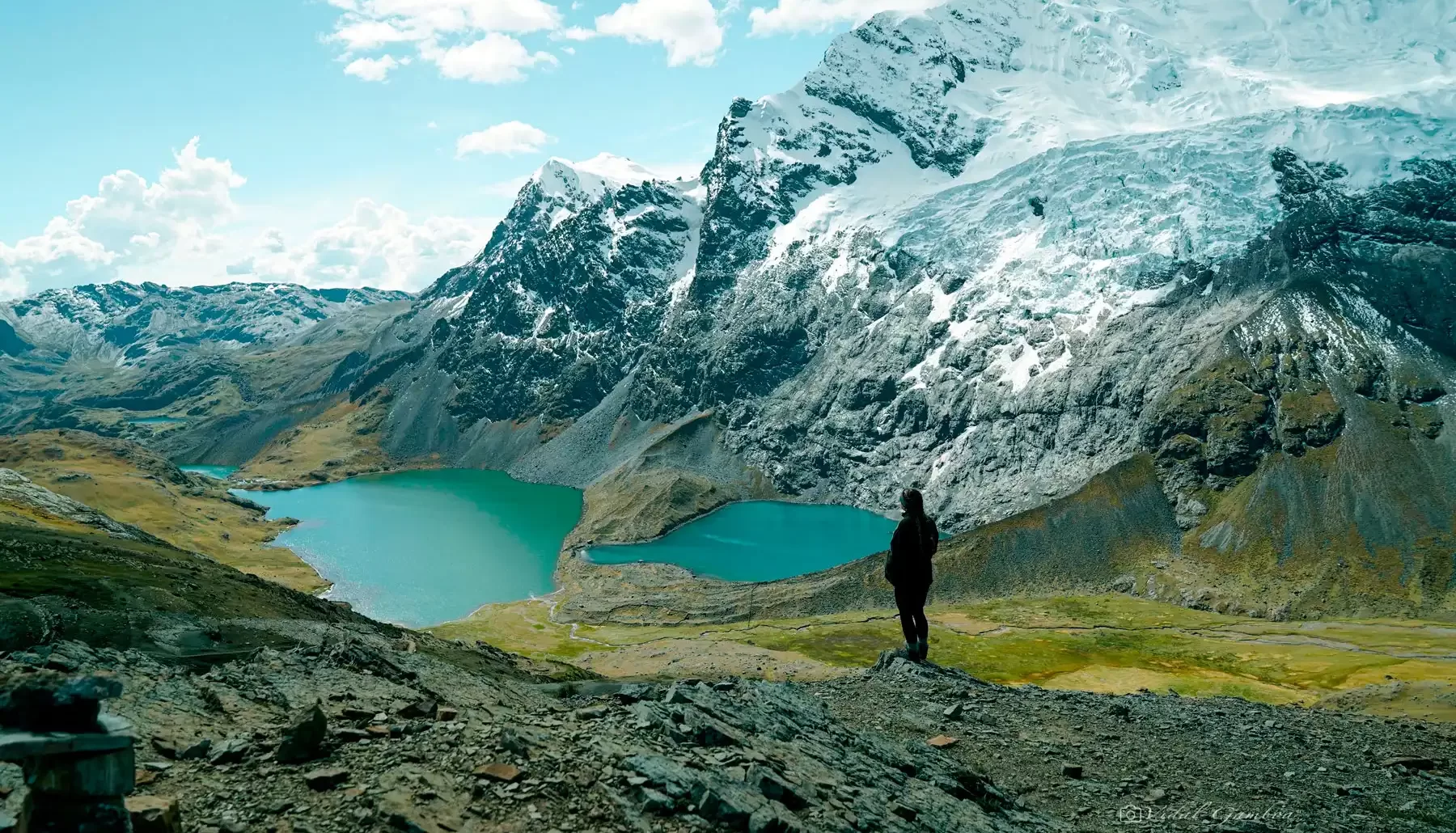
The Lares Trek is less well-known but genuinely rewarding; it winds through traditional Andean villages and high-altitude lakes, offering a more cultural experience alongside the mountain scenery.
The Inca Jungle is an action-packed four-day tour that combines cycling, water rafting, hiking, zip-lining, and a full guided tour of Machu Picchu. Perfect for travelers looking for more adventure and exciting outdoor activities in just one tour. These Inca Jungle tour can be combined with guided Machu Picchu tours and allow for a more immersive experience.
Tickets: What You Need to Know Before You Book
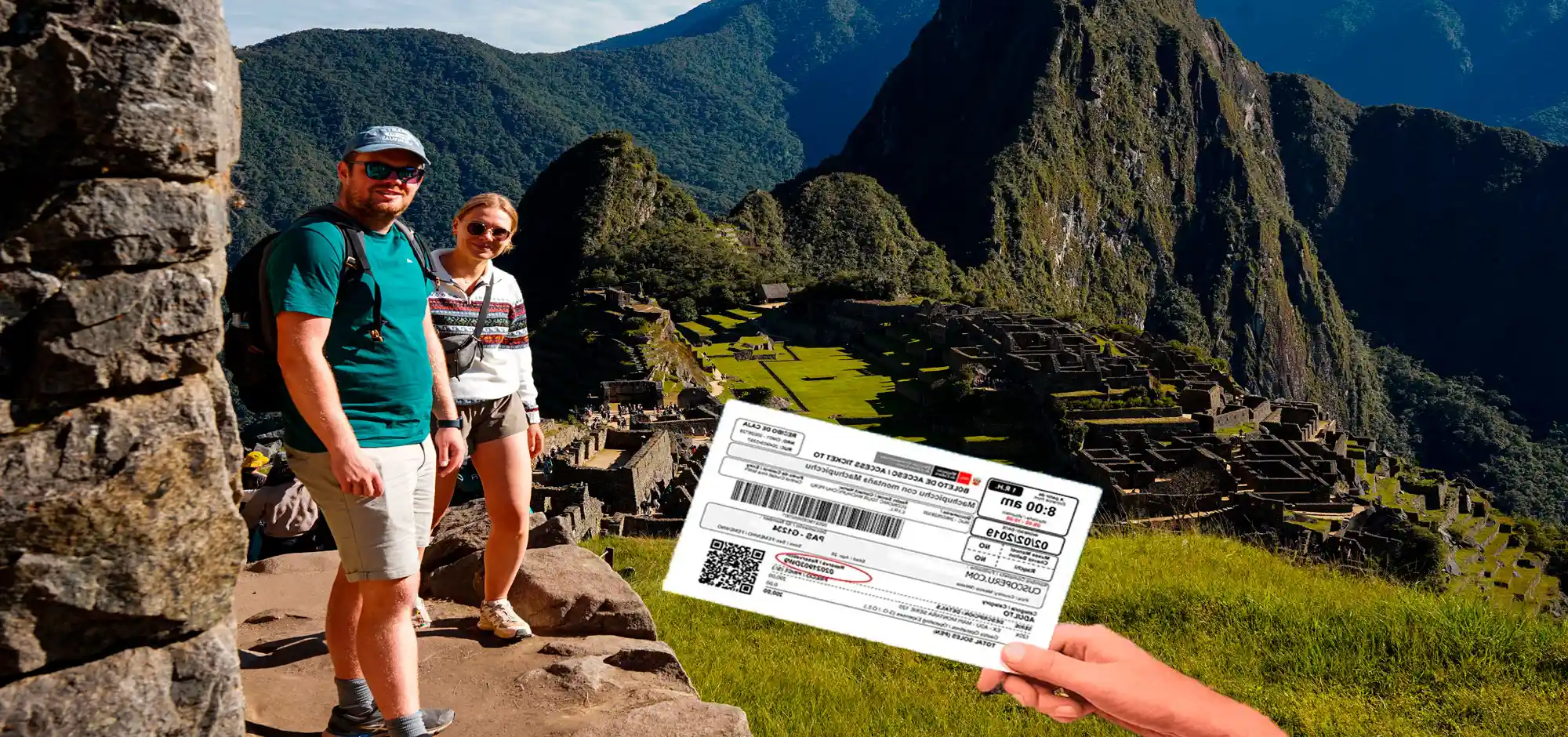
Booking your Machu Picchu ticket is the single most important step in planning your trip, and it needs to happen before anything else, before trains, before hotels, before you get too attached to a specific date.
All official tickets are sold through the Peruvian Ministry of Culture’s platform at tuboleto.cultura.pe. There are no tickets sold at the entrance. Third-party sites exist but tend to charge significantly more; always go directly to the official source.
The site now operates a structured circuit system. Rather than wandering freely, all visitors follow one of three defined one-way routes, each covering different parts of the citadel.
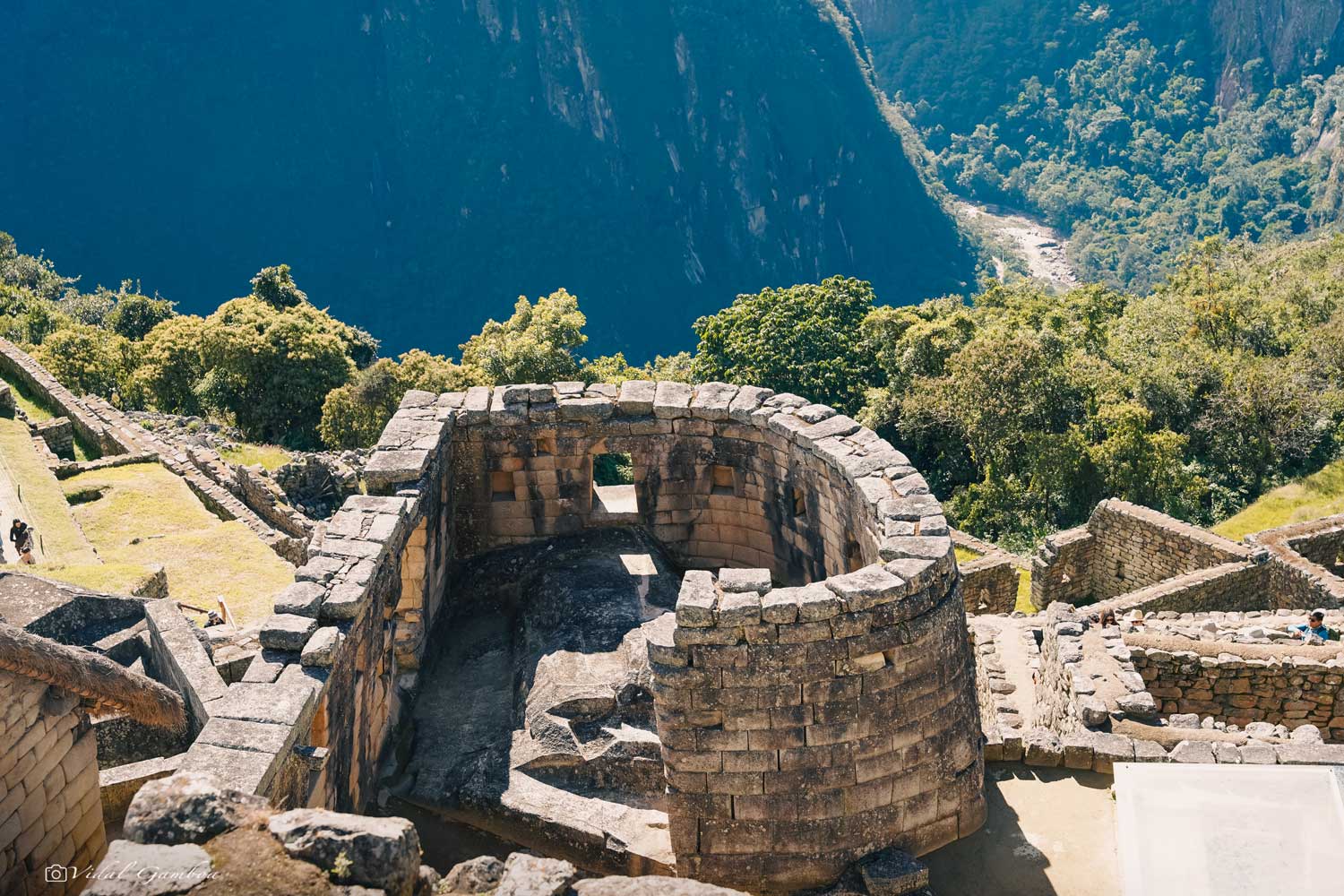
Circuit 2 is generally recommended for first-time visitors; it covers both the agricultural terraces and the urban core, including the Temple of the Sun and the iconic panoramic viewpoint. It’s also the most popular circuit and fills up the fastest.
Huayna Picchu Mountain
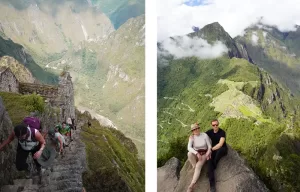
If you want to climb Huayna Picchu, the steep mountain that appears in most photos of the site or Machu Picchu Mountain for wider views over the valley, those slots are sold separately and are even more limited. They tend to disappear quickly, so if either is on your agenda, treat those as your first booking priority.
A few important rules to keep in mind: entry is time-slotted, and arriving late can mean being turned away without a refund. Re-entry is not permitted once you leave. Your name on the ticket must match your passport exactly; bring the original document. And every visitor is required to be accompanied by a licensed guide; solo, unguided entry is not allowed.
Choosing the Right Tour
If you’re coming from Cusco and short on time, a day tour is entirely manageable: early train, a full morning or afternoon in the ruins with a guide, and a return train in the evening. It’s efficient, and it works well.
For a more relaxed experience, spending a night in Aguas Calientes makes a real difference. It takes the pressure off the timing, lets you arrive at the gate early in the morning before the first rush, and gives you the option of a second visit the following day on a separate ticket.
Multi-day packages that combine Machu Picchu with the Sacred Valley, visiting the Inca fortress at Ollantaytambo, the markets and ruins at Pisac, or the circular agricultural terraces at Moray add significant context to the Inca history you see at the main site. If this is your one trip to Peru, it’s worth stretching the itinerary a little.
For trekkers, guided Inca Trail or Salkantay Trek packages handle the permits, camping equipment, meals, and porter logistics, which removes a considerable amount of complexity from the planning process.
What to Pack
Machu Picchu’s weather is famously unpredictable. A bright morning can give way to heavy cloud or drizzle by midday, especially outside the dry season. The golden rule is layers and waterproofing.
Start with comfortable, broken-in walking shoes with decent grip; the terrain is uneven and some sections are steep. Bring a waterproof jacket regardless of the forecast. A hat and sunscreen matter more than most people expect, since the UV intensity at altitude is considerably higher than at sea level. Insect repellent is worth having, particularly in the wetter months.
A few things are not permitted inside the site: large bags or suitcases, single-use plastic water bottles, tripods, selfie sticks, drones, and umbrellas with metal tips. There are no food vendors or restrooms inside the citadel, so use the facilities at the entrance before you go in and bring light snacks in your daypack. Carry cash in Peruvian Soles for buses, tips, and the pay toilets near the bus terminal in Aguas Calientes.
Altitude and Health
Cusco sits at approximately 3,400 meters above sea level, considerably higher than Machu Picchu itself. Altitude sickness is genuinely common among visitors who arrive and immediately try to do too much, and it can ruin a trip quickly.
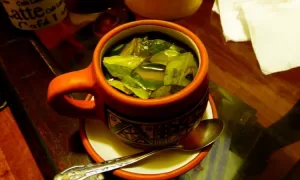
The practical advice is simple: give yourself at least one full day in Cusco before attempting any significant activity. Drink more water than you think you need. Avoid alcohol in the first day or two. Take things slowly. Many travellers swear by coca tea, which is widely available and is a traditional Andean remedy. If you’re particularly concerned, speak to your doctor about medication before you travel.
Tips for Machu Picchu Smooth Trip
Acclimatize: Cusco sits at over 3,400 meters; spend 1–2 days adjusting.
Pack smart: Comfortable shoes, sunscreen, rain jacket, water, and snacks.
Hire a guide: Gain deeper insights into Machu Picchu history and architecture.
Book early: Inca Trail Machu Picchu permits and peak-season tickets sell out quickly.
Follow site rules: Stay on marked paths and respect preservation efforts.
Beyond Machu Picchu: What Else to See
The Sacred Valley, which lies between Cusco and the train departure points, is well worth a day or two of exploration. Ollantaytambo has an impressive Inca fortress that’s still largely intact; it’s one of the best-preserved examples of Inca architecture in the country. Pisac offers both ruins on the hillside and a lively market in the town below. The circular terraces at Moray and the unusual terraced salt pools at Maras are shorter stops but genuinely distinctive.
Rainbow Mountain Vinicunca has become a popular day trip from Cusco in recent years. The hike is demanding, and the altitude is extreme (over 5,000 meters at the summit), but the layered mineral colors of the mountain are unlike anything else in the region.
Cusco itself deserves more than just a night in transit. The city blends colonial Spanish architecture with Inca stonework in a way that’s historically fascinating, and the food scene has developed considerably in recent years.

Frequently Asked Questions
Can you visit Machu Picchu in a single day?
Yes, though it requires an early start. Most day trips from Cusco catch a train around 05:00–06:00, spend several hours at the site, and return by evening. It’s a long day, but entirely doable.
Is Machu Picchu safe?
Machu Picchu and Aguas Calientes are considered safe for tourists. The site is well managed, and the mandatory guide system helps ensure a smooth and secure visit.
Which Machu Picchu ticket should I buy?
For a first visit, Circuit 2 is the standard recommendation; it covers the most ground and includes the main highlights. Add a mountain hike ticket only if you’re confident in your fitness and have booked well in advance.
What about Machu Picchu with kids and older travelers?
The main circuits are accessible for most fitness levels, with some uneven ground and steps throughout. Circuit 3 tends to be gentler. A guide will help pace the visit appropriately.
How was Machu Picchu built?
Using a technique called “ashlar construction,” stones are cut to fit together so precisely that no mortar is needed. The precision is extraordinary even by modern standards.
Who discovered Machu Picchu?
Machu Picchu was rediscovered by Hiram Bingham in 1911, an American explorer who publicized it after being guided there by local farmers. However, Agustín Lizárraga was a local farmer from the Cusco region who reached Machu Picchu in 1902, nine years before the American expeditions.
Ready for your adventure?
My name is Vidal, and I am a guide in Machu Picchu, working for 15 years, and I am ready to show you this mystical ancient destination through our different tours. With deep passion and expert knowledge of Incan history, culture, and architecture, I will make your visit truly unforgettable, offering a personalized and immersive experience you will always cherish. Book now and secure your spot!
You may also be interested in:
- Train to Machu Picchu
- Machu Picchu Tickets 2026
- The Oldest Person on the Inca Trail
- Huayna Picchu MT What you Need to Know
- What is the Inca Trail?