How I Discovered Climbing in Cusco
I spent three months doing some volunteer work in Cusco, and during my days off wondering what to do, I did some biking, hiking, and some other activities around Cusco. After a few weeks searching on the internet, I found Vidal Expeditions, a local travel company that does many outdoor activities such as trekking and climbing.
Find the right tour operator in Cusco
I contacted them to see if they have any outdoor activities, which I didn’t do the time I was in Cusco. Vidal, the owner, was the person who provided me some details about the Rock Climbing in Cusco, I had a lot of questions for him about the activity because I had no idea it was available in this area. However, I had no experience with climbing and even less with this kind of extreme sport, so I tried to explain that this would be my first time. And I asked myself where to climb near Cusco. Vidal, the owner, offered me the chance to take a rock climbing lesson with one of their instructors, which I thought would be the best way to start. After numerous questions, I ultimately decided to go with them for the rock climbing.
Learn more about rock climbing.
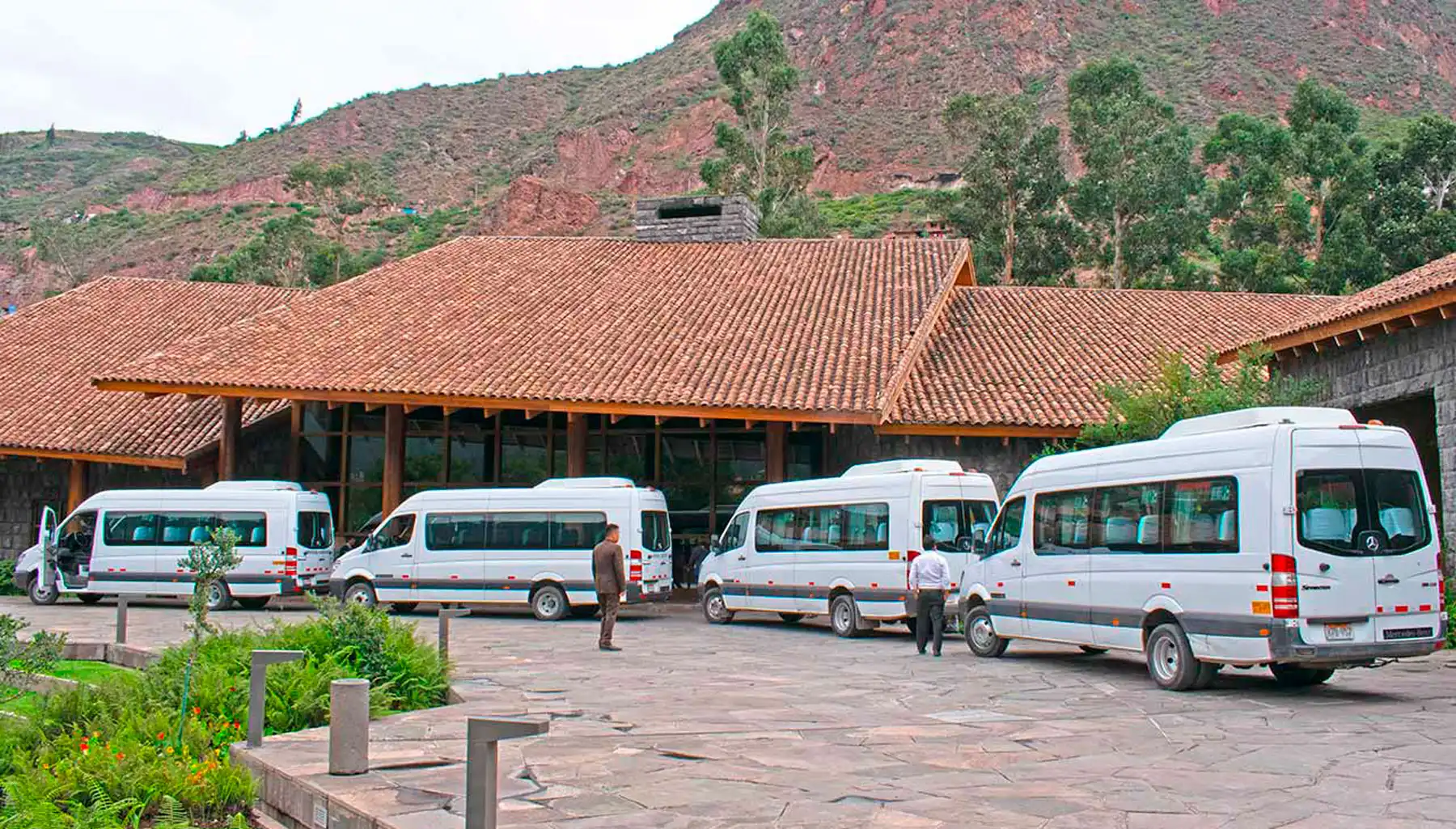
They came to pick me up at my Airbnb place, where I was staying, and we drove for 30 minutes outside of the city. The instructor was Urbano (AKA) Chino, who was between 30 and 32 years old; he introduced himself very well and was happy to go for climbing. Once we arrived at the rock climbing spot, before starting the activity, he started to explain to me about the history of rock climbing and why nowadays this activity is becoming popular in Cusco. After changing our opinions, we started with this activity.
The rock climbing lesson comes first.
Urbano told me the introduction to rock climbing.

Your introduction lesson
I recommend the people take their first lesson with them, their 30-minute introductory lesson. You’ll learn the basics of outdoor climbing. Chino says, “We expect people to come to us with no experience under their belts, so don’t worry if you haven’t done this before! Our qualified instructors will talk you through your climb step by step.” They’re prepared to help you push through any fears you might have and take you to new heights.
You also have the option of a private lesson. If you’d feel more comfortable with one-on-one instruction, reach out to us to schedule something!
Your First Outdoor Climb: What to Expect
If you’re starting rock climbing lessons for the first time, congratulations! You’re setting out on an exciting and rewarding new journey, and you’re sure to have fun as you conquer new heights. Before long, you’ll be approaching new climbs with excitement and confidence.
But on your first day, it’s normal to be nervous. Rock climbing is a sport like no other, and it can be daunting for beginners. But don’t let that stop you from signing up for a class! Here, we’ll lay out what you can First things first: Know that you’re not going to get harnessed up and start climbing the wall right away.
We want you to experience success when you actually start climbing, and to make that happen, we’re first going to give you some techniques you can practice on the ground.

About the climbing spot in Cusco
At Vidal Expeditions, on this spot, you’ll learn about balance, carefully distributing and shifting your weight, and making moves deliberately. This knowledge will help you when you’re up against the wall.
Of course, you’ll also be learning about all the equipment we use in the rock climbing activity. Familiarizing yourself with the equipment of the sport is an important part of safe climbing, and safety is the most important thing we expect when you first begin rock climbing lessons.
As a beginner, it’s hard to know how far you should go to improve your technique, strength, and overall endurance without harming your body. You may only have enough places or climbing gyms where you could go to practice a little for a day or two a week, and you’re wondering if that’s enough to improve. When I started climbing, I thought the same. I didn’t know where to go for climbing, when and how, or even how much climbing was too much for me as a beginner. Some muscles become so sore the next day after climbing that you don’t use them on a day-to-day basis, and you don’t want to injure them by overextending their capabilities because they aren’t ready to be pushed. This is understandable, and you’ve done the right thing by coming to this article for more information.

What is outdoor rock climbing?
Outdoor rock climbing is how the sport originated and has the added benefit over indoor climbing of enabling you to do it from stunning perspectives. You can go much higher than indoors, which often allows you to do ‘multi-pitch” climbs. Multi-pitch climbs are those where you have stops between ascents with belays at each stop. Each stop near a belay is called a pitch.
Outdoor rock climbing is a great way to see stunning locations, and what better way than to explore some of the best places while you visit Cusco.

How to get started with rock climbing?
There’s a multitude of different styles of Rock climbing to choose from. With indoor, outdoor, bouldering, and top-roping, it’s sometimes hard to know which one to try when starting out, as they all have different perks. Obviously, the best thing to do is try them all at some point!
For example, the advantage of indoor climbing is its year-round accessibility. You can still go climbing no matter what the temperamental Cusco weather decides to do, which is a great way to get into the sport before practicing skills outdoors.
Best Time to Climb Near Cusco
The best months for climbing near Cusco are May to September, the Andean dry season. Days are sunny, the skies are clear, and the rock stays dry. Mornings start cold and nights can drop below freezing, so bring warm layers for the start and end of the day.
April, October, and early November are good shoulder months, with greener hills, fewer visitors, and mostly stable weather. From November to March, the rainy season brings afternoon storms. You can still climb in these months, but plan an early start and aim to finish before the rain arrives.
Climbing at Altitude: What to Expect
Cusco sits at 3,399 m (11,152 ft), and most crags around the city are slightly higher. At this altitude you will tire faster, breathe harder and need longer rests between routes, even on easy climbs. That is normal and gets better as your body adapts.
- Acclimatize first: spend at least 24 to 48 hours in Cusco before your climbing day.
- Hydrate: drink 1.5 to 2 liters of water during the day.
- Pace yourself: climb slowly, rest between routes, and stop if you feel dizzy or have a strong headache.
- Protect yourself from the sun: UV is very strong in the Andes, even when the air feels cold. Use high-factor sunscreen, a cap and sunglasses.
For more tips, read our guide on how to avoid altitude sickness in Cusco.
Rock Types and Grades
Most sport climbing near Cusco is on sharp, solid limestone, with bolted routes and excellent grip. Climbing in the Sacred Valley, granite walls add crack climbing and longer routes for experienced and trad climbers.
Peru uses the French grading system:
| Grade | Level |
|---|---|
| 4 to 5c | Beginners and first-time climbers |
| 6a to 6c | Regular gym or outdoor climbers |
| 7a and above | Advanced climbers |
Most crags close to the city have plenty of routes between 5a and 6c, so beginners and intermediate climbers will find lots to climb.
What to Bring
Guided operators usually provide the technical gear: climbing shoes, harness, helmet, ropes, and carabiners. You only need to bring the following:
- Comfortable clothes that let you move freely
- A warm layer and a windbreaker for cold mornings and wind at the crag
- 1.5 to 2 liters of water and some energy snacks
- Sunscreen, a cap, and sunglasses
- A small backpack for your things
- A camera or phone for the views over the valley
If you climb independently, add your own rope, quickdraws (6 to 12, depending on the route), belay device, and a first-aid kit. See our full packing list.
Frequently Asked Questions
Is climbing near Cusco good for beginners?
Yes. The crags close to the city have many easy, bolted routes, and top-rope climbing lets you climb safely from your first hour, with an instructor belaying you from the ground.
Do I need to be fit?
No. A normal level of activity is enough. Climbing depends more on your legs and balance than on arm strength. The bigger challenge is altitude, so acclimatize before your climbing day.
Can I climb in the rainy season?
Yes, from November to March, but start early. Rain usually arrives in the afternoon, and wet rock is slippery and unsafe.
Can I go climbing alone?
Solo travelers can join a guided group or book a private session with an instructor. You do not need a climbing partner.
Is there indoor climbing in Cusco?
Indoor walls are a good option on rainy days or for practicing technique before climbing outdoors.
Ready to Climb?
Want to experience it yourself? Join the Full Day Rock Climbing Tour in Cusco and spend a full day on real rock, with no experience needed.
- Hotel pickup and transport to our private crag, 30 minutes from Cusco
- A certified instructor and all climbing gear included
- More than 10 bolted routes for every level, plus a 20 m rappel to finish
- Box lunch at the crag
- Small groups, from USD 60 per person
Beyond the Crag: Mountaineering Near Cusco
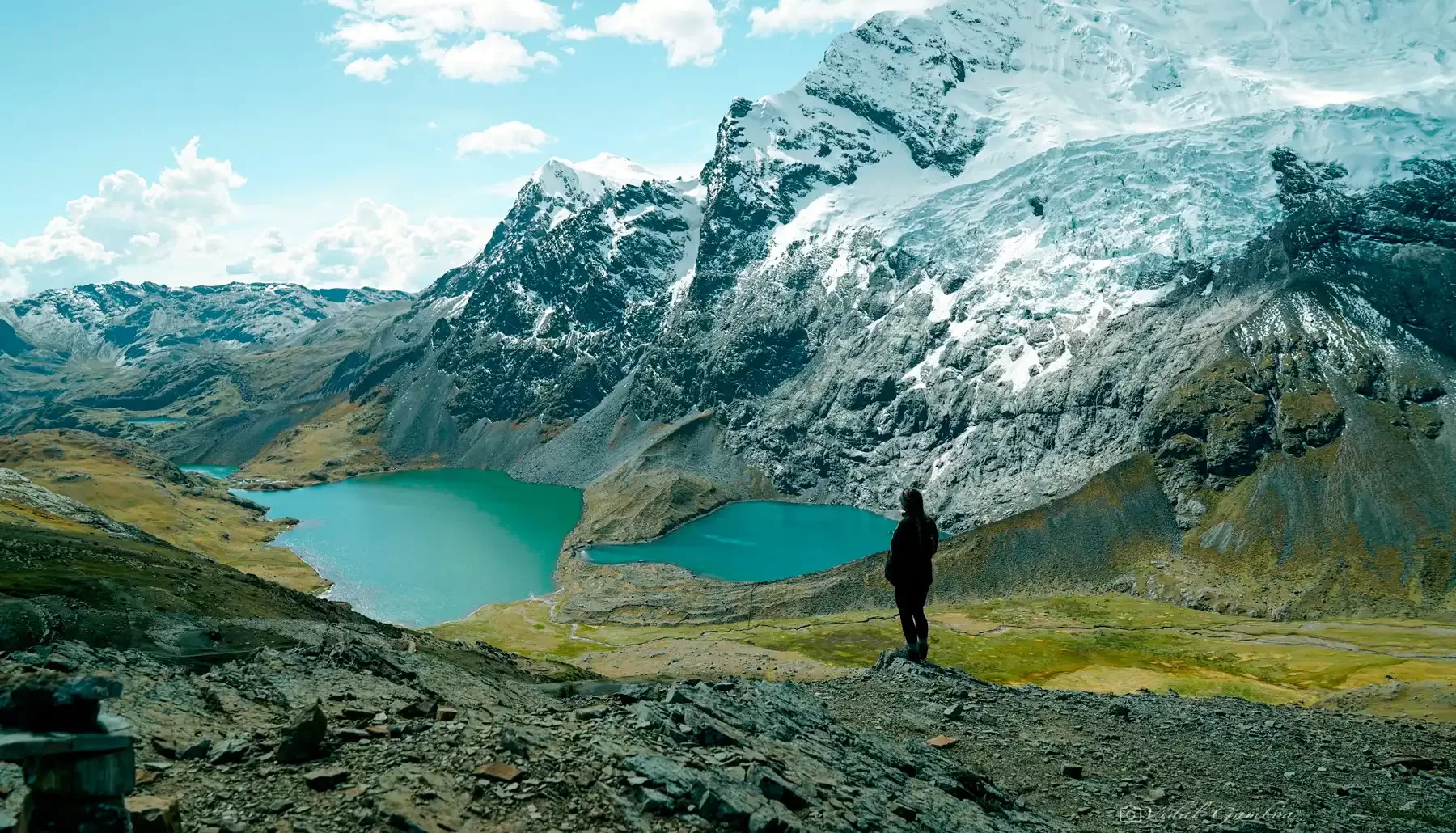
Beyond rock climbing, Vidal Expeditions guides mountaineering trips near Cusco. Summit Qampa (5,520 m) in 2 days with no previous experience, or take on Ausangate (6,384 m), the region’s highest peak, on a 6-day expedition. See all our climbing trips.
Written by: Anna Ye, Los Angeles, USA