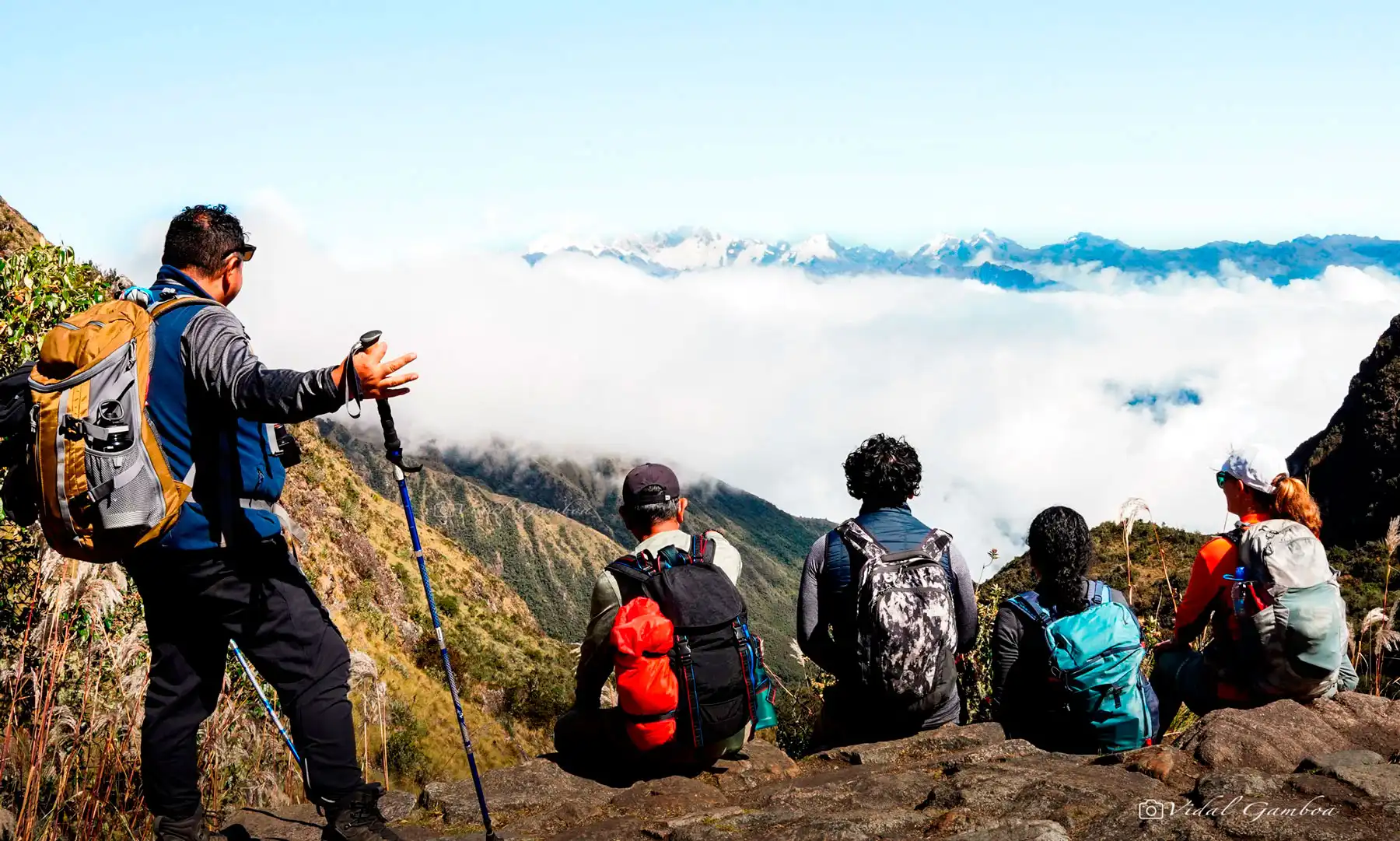
Preparing for one of the best alternative treks to Machu Picchu
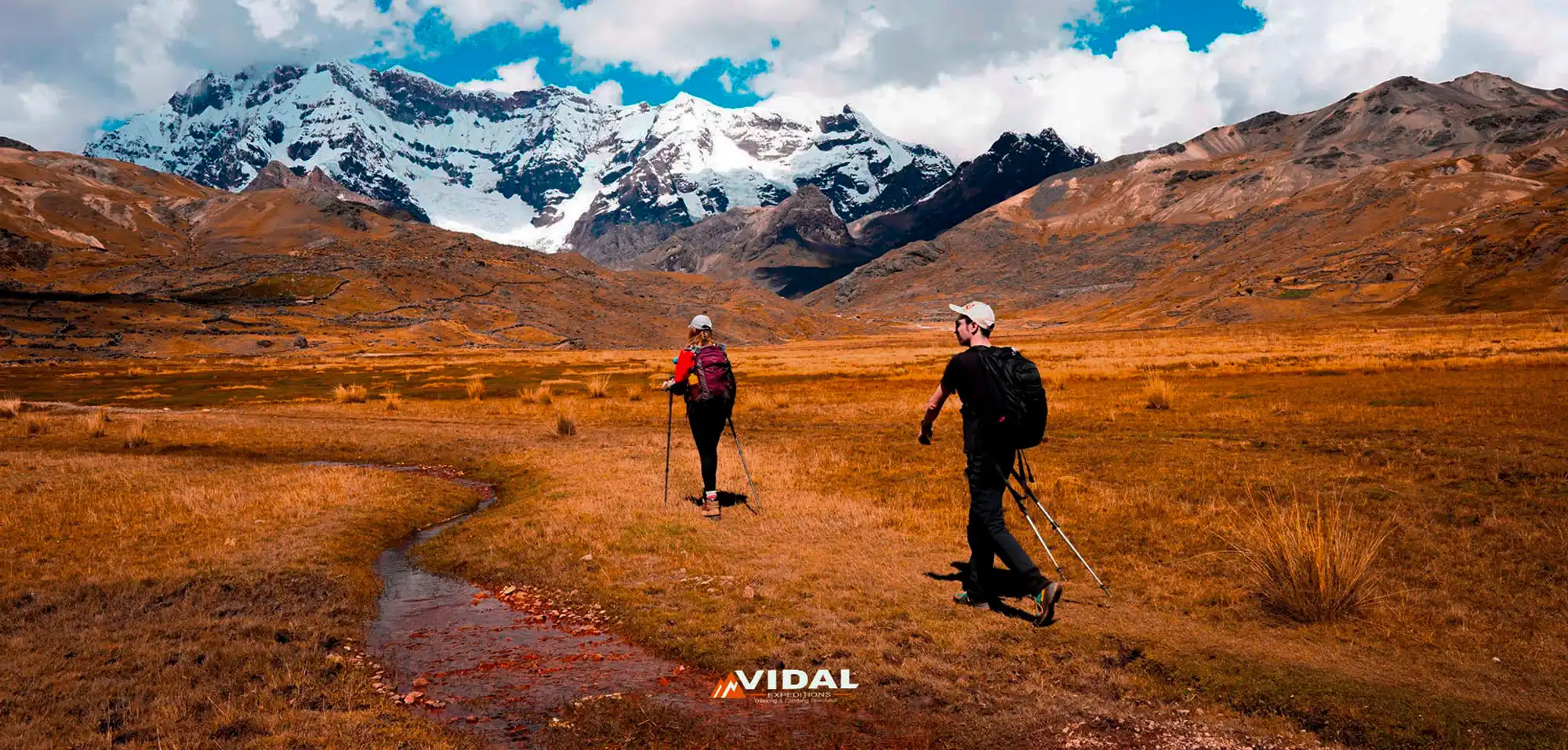
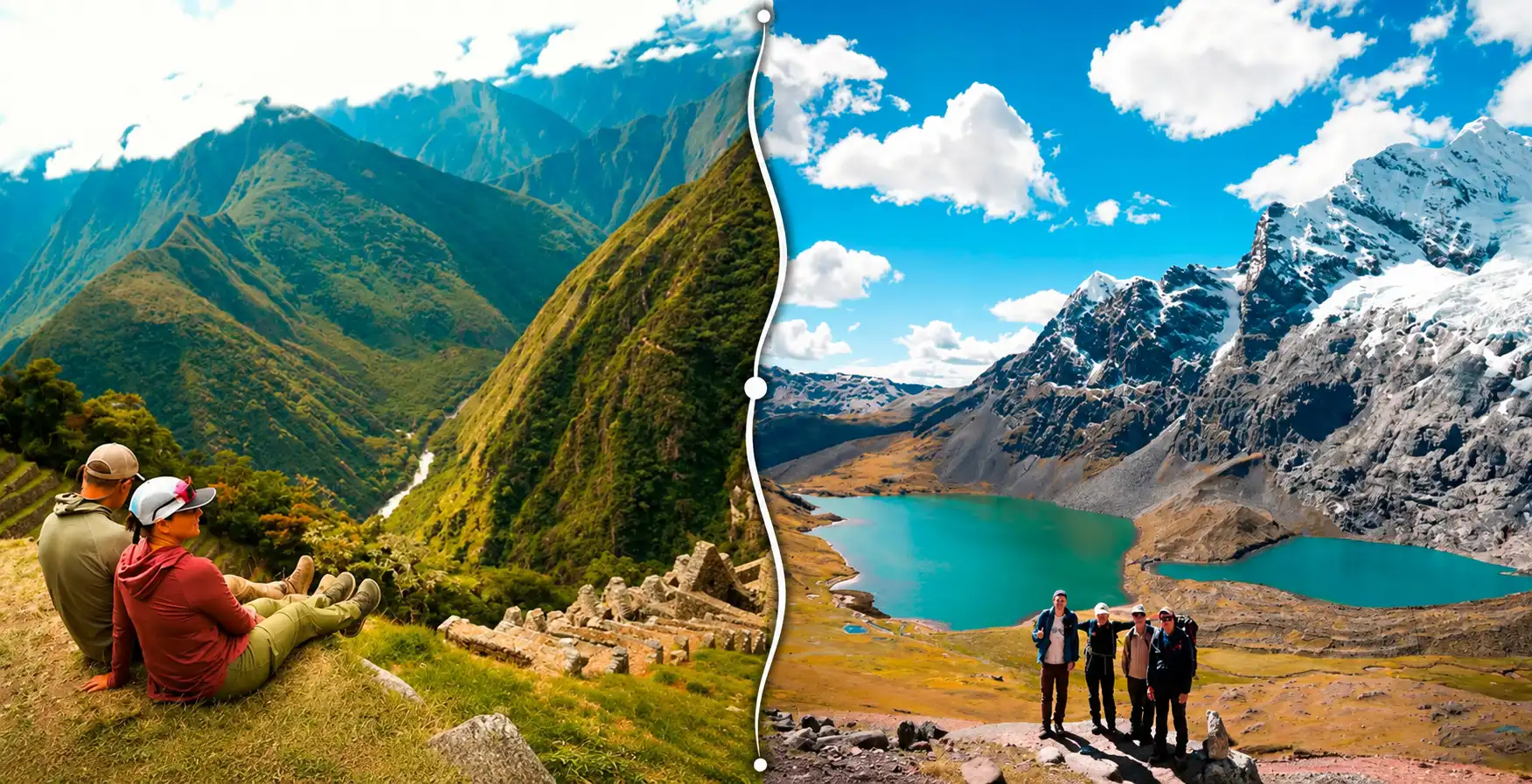
Preparing for the Salkantay Trek is about more than simply packing your hiking boots and getting ready for a few days in the mountains. This incredible journey takes you through some of the most spectacular landscapes in the Peruvian Andes, where snow-covered peaks, turquoise glacial lakes, high mountain passes, and lush cloud forests create an unforgettable adventure.
However, the Salkantay Trek is also a physically demanding experience. Reaching elevations above 4,600 meters (15,091 feet), hiking several hours each day, and adapting to changing weather conditions require proper preparation.
Whether you are an experienced hiker or planning your first multi-day adventure in Peru, understanding how to prepare for the Salkantay Trek will help you feel more confident and enjoy every stage of the journey.
In this guide, our local team at Vidal Expeditions shares practical advice about physical training, altitude acclimatization, fitness requirements, nutrition, packing, and everything else you should know before starting your adventure to Machu Picchu.
Where is Mount Salkantay located?
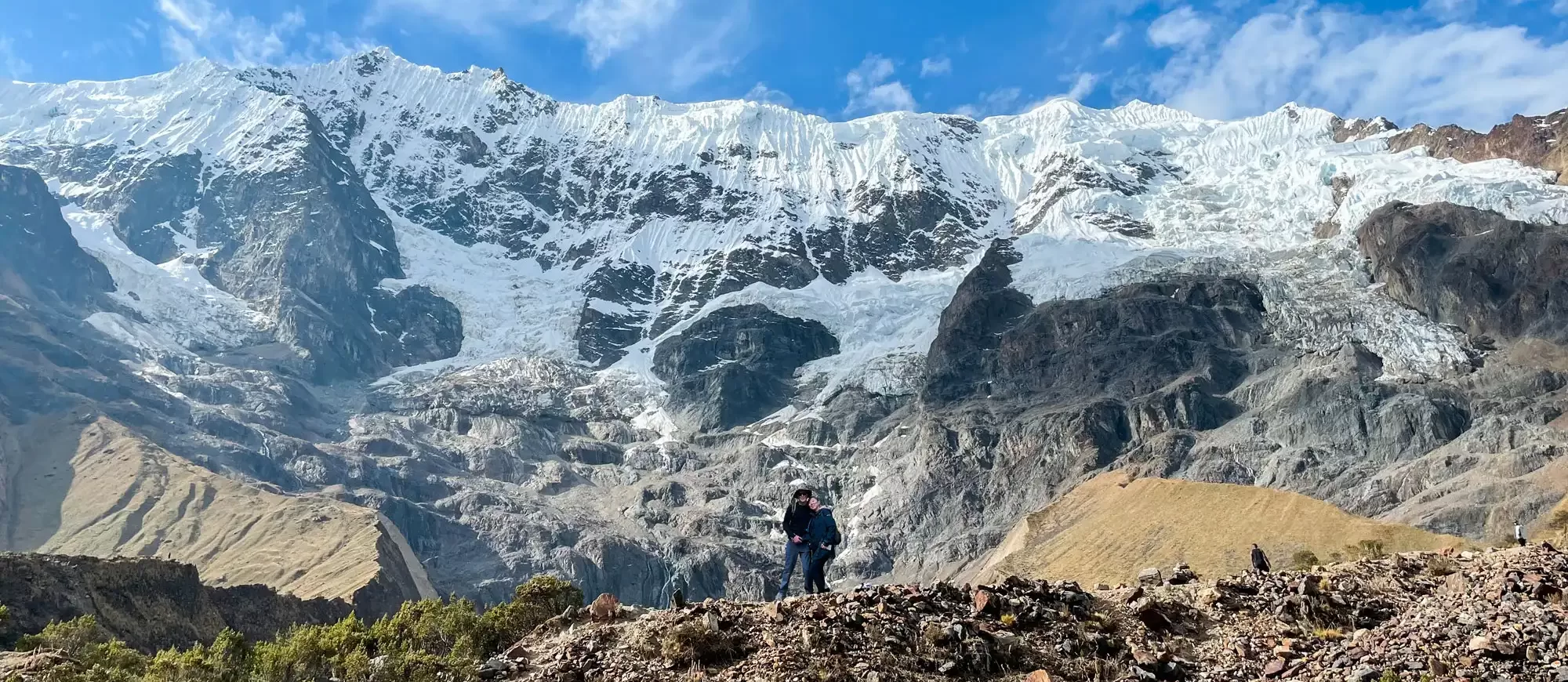
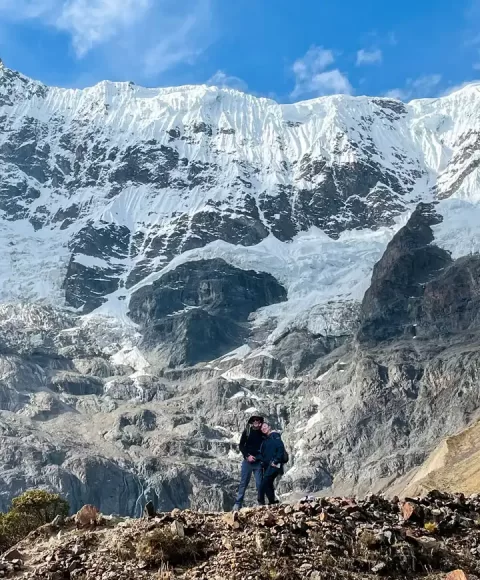
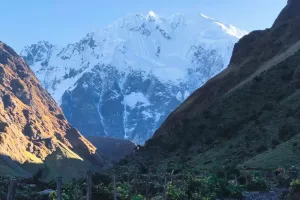
Salkantay is one of the most imposing mountains in the Cusco region, in southern Peru. Its summit rises to 6,271 meters above sea level (20,574 feet), an essential fact for those searching for Salkantay Trek height. Its majesty and natural beauty make it a dream destination for travelers, hikers, and explorers planning the Salkantay Trek to Machu Picchu.
Located about 100 kilometers northeast of the city of Cusco (62 miles), it is part of the Vilcabamba mountain range. It stands out among the highest peaks in the region. Its glacial landscapes and snow-capped summits offer breathtaking views at any time of year, making it a highlight on any Salkantay Trek map.
History and Significance of Mount Salkantay
The name Salkantay comes from Quechua and means “wild mountain” or “untamable mountain.” The word Sallqa translates as “wild” or “untamable.” The term “Antay” can refer to the Andes or to “that which produces avalanches.”
Since ancient times, Salkantay has been revered by Andean cultures. The Incas considered it an Apu or protective spirit of great power. Its presence commanded respect and guided the lives of nearby communities.
In the Andean worldview, the Apus protect nature and people. Salkantay was invoked in rituals to request abundant harvests and protection. These traditions are still alive today in the high-Andean communities, offering cultural depth to any Salkantay Trek tour operator’s itinerary.
A Living Spiritual and Cultural Legacy
Beyond its sacred importance, Salkantay played a key role in the history of Andean routes. It served as a reference point for travelers, herders, and traders. Its slopes and mountain passes connected different villages along the range, paths that now form part of the modern Salkantay Trek Machu Picchu route.
Although it is not part of the classic Inca Trail, the Salkantay Trek to Machu Picchu has become one of the most popular alternatives. It offers spectacular landscapes, deep cultural immersion, and hiking days steeped in history and local legends. For those planning their Salkantay Trek packing list, expect diverse climates, from snow-capped peaks to lush cloud forests.
Today, Salkantay is a symbol of Peru’s cultural and natural wealth. Its snow-covered summit inspires respect and admiration in all who behold it. Walking its trails means stepping into centuries of living history, a journey that perfectly combines adventure, culture, and nature in the Machu Picchu Salkantay Trek experience.
Understand What to Expect on the Salkantay Trek
Before beginning your preparation, it is important to understand what makes the Salkantay Trek challenging.
The classic Salkantay Trek is generally completed in five days and four nights, connecting the Andean highlands with the warmer landscapes surrounding Machu Picchu.
Along the route, you will experience dramatic changes in elevation, temperature, terrain, and scenery.
One of the most demanding sections is the climb toward Salkantay Pass, which reaches approximately 4,630 meters (15,190 feet) above sea level. At this altitude, the air contains less available oxygen, making physical activities feel more difficult than they would at lower elevations.
During the journey, you can expect:
- Several hours of hiking each day.
- Steep uphill climbs and long downhill sections.
- Rocky, uneven, and sometimes muddy trails.
- Cold temperatures in the high mountains.
- Warmer and more humid conditions as you descend.
- Changing weather, including rain, wind, and strong sunlight.
Understanding these conditions will help you choose the right training routine and prepare for the physical demands of the adventure.
How Difficult Is the Salkantay Trek?
The Salkantay Trek is considered a moderately challenging to challenging multi-day hike. Its difficulty comes from the combination of high altitude, long walking distances, steep ascents, and consecutive days of physical activity.
You do not necessarily need previous trekking experience to complete the route, but having a reasonable level of fitness makes a significant difference.
The most challenging day is usually the hike to Salkantay Pass. The climb involves a sustained uphill effort at high altitude, followed by a long descent into the next valley.
Your experience may depend on several factors:
Physical fitness: Strong legs and good cardiovascular endurance help you manage long hiking days.
Altitude acclimatization: Spending enough time at higher elevations before the trek can help your body adjust.
Hiking experience: Previous experience walking on uneven mountain trails can make the route more manageable.
Weather conditions: Rain, cold temperatures, and muddy trails can increase the difficulty.
The best approach is to prepare gradually instead of trying to improve your fitness at the last minute.
Salkantay Trek Altitude
The highest point of the Salkantay Trail is the Salkantay Pass, with 4,636 meters above sea level (15,209 ft), which can pose a challenge for those not acclimated to the altitude.
However, many individuals of various ages and fitness levels have completed the Salkantay trail. The key to tackling the difficulty is proper physical preparation beforehand and maintaining a positive and resilient mindset.
What to See and Do on the Salkantay Trek
Humantay Lake
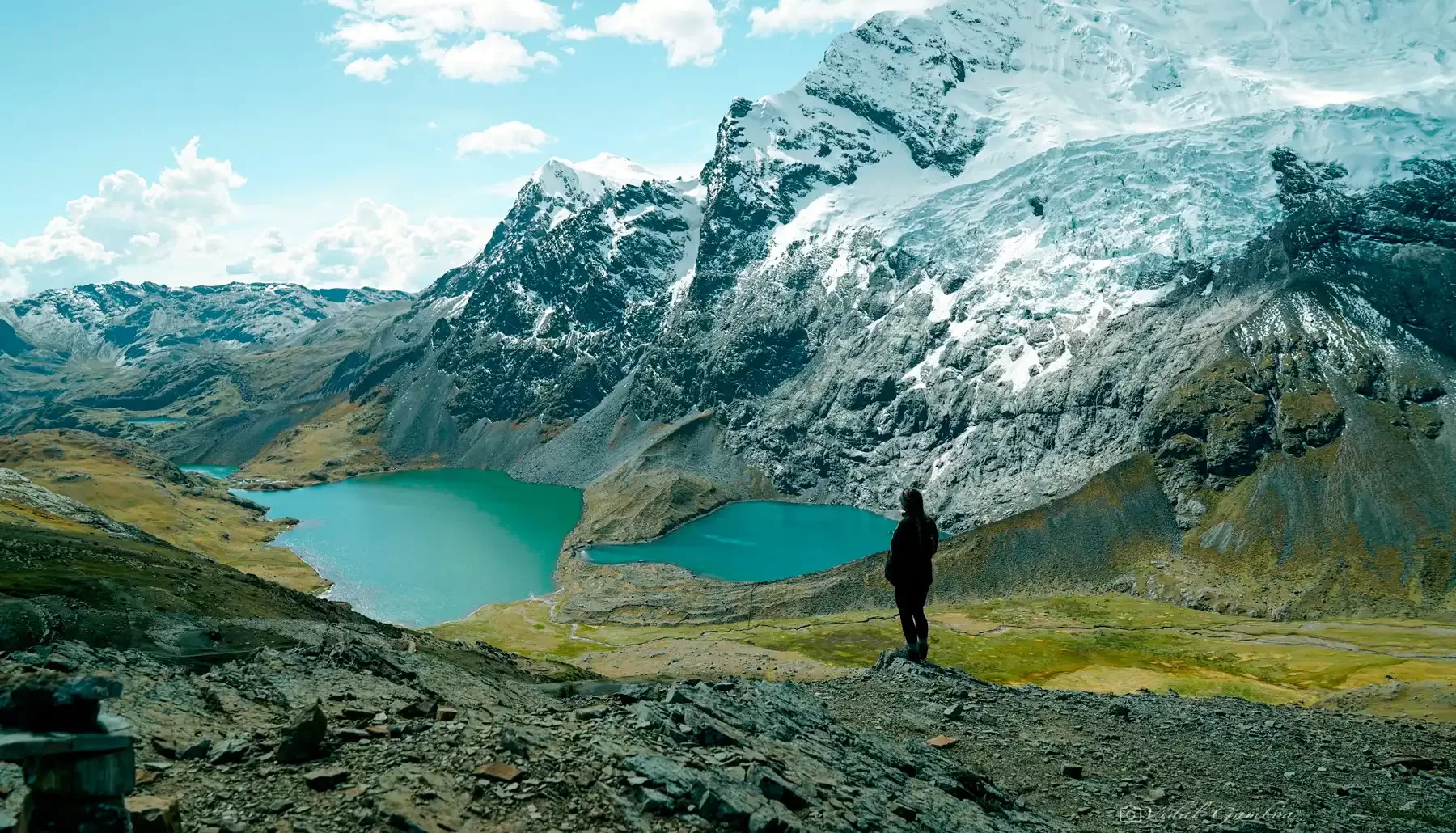
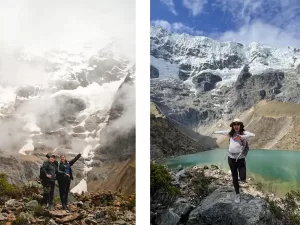
The Salkantay Trek begins with a visit to the stunning Humantay Lake, located at the foot of the mountain of the same name. Its turquoise waters reflect the sky and surrounding peaks, creating a postcard-perfect landscape. The ascent takes approximately three hours round trip, but the breathtaking view and the energy of the place reward every minute of effort. For those planning their Salkantay Trek packing list, a camera is a must to capture this iconic stop on the Salkantay Trek map.
Salkantay Pass and Mount Salkantay
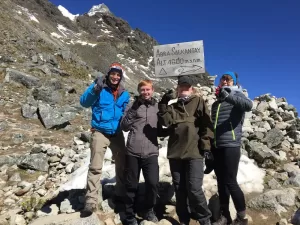
Further along, the undisputed highlight is the majestic Mount Salkantay, with an official Salkantay Trek height of 6,271 meters (20,574 feet). On the second day of the route, trekkers reach Salkantay Pass, located at 4,600 meters (15,091 feet). From here, travelers enjoy panoramic views of glaciers, snow-capped peaks, and a horizon that seems endless, one of the most memorable moments on any Salkantay Trek to Machu Picchu.
Cloud Forest and Coffee Plantations
After descending from the pass, the Salkantay Trek enters the cloud forest, with waterfalls, rivers, and lush vegetation. The Santa Teresa Valley is renowned for its organic coffee plantations, where visitors can learn the cultivation, roasting, and tasting process. Sipping a freshly brewed cup, surrounded by mountains, is an authentic experience that enriches any Salkantay Trek Machu Picchu journey.
Culture, History, and Final Relaxation
Some itineraries include the Llactapata archaeological site, a citadel and control center in the ancient Qhapaq Ñan network. It offers a privileged view of Machu Picchu before the final approach. Another option is to relax in the Cocalmayo hot springs, a perfect recovery after several days on the Machu Picchu Salkantay Trek.
The route culminates in Machu Picchu, where every step taken makes the arrival unforgettable. Whether you choose the Salkantay Trek vs Inca Trail option or combine both routes, the reward is equally spectacular.
How Many Weeks Should You Train Before the Salkantay Trek?
Ideally, begin preparing four to eight weeks before your departure, depending on your current fitness level.
If you regularly exercise, hike, or participate in outdoor activities, you may need less preparation than someone who spends most of the day sitting or working at a desk.
Your training should focus on three main areas: cardiovascular endurance, leg strength, and hiking stamina.
Cardiovascular Training
Cardiovascular endurance is essential because you will spend several hours walking every day.
Good activities include:
- Hiking on local trails.
- Walking at a steady pace for 45–90 minutes.
- Running or jogging.
- Cycling.
- Swimming.
- Using a stair climber.
Try to exercise three or four times per week, gradually increasing the duration and intensity.
The objective is not to become an athlete before your trip. It is to help your body become comfortable with sustained physical activity.
Leg Strength and Stability
Strong legs help you manage steep climbs and protect your joints during long downhill sections.
Include exercises such as:
- Squats.
- Lunges.
- Step-ups.
- Calf raises.
- Glute bridges.
- Planks.
Perform two or three strength sessions per week, allowing enough recovery between workouts.
Step-ups are particularly useful because they simulate the repetitive climbing movements you will experience on the trail.
Practice Hiking with a Backpack
One of the most effective ways to prepare for the Salkantay Trek is to practice walking with the equipment you plan to carry.
Start with short hikes and gradually increase the distance.
Try to complete at least one or two longer hikes before your departure. If possible, include uphill and downhill sections to simulate the conditions of the Andes.
You should also use the hiking boots, socks, and backpack you intend to take to Peru. This gives you time to identify uncomfortable equipment before the actual trek.
How to Prepare for the Altitude on the Salkantay Trek
Altitude is one of the most important factors to consider when preparing for the Salkantay Trek.
The route reaches approximately 4,630 meters at Salkantay Pass, where reduced oxygen availability can affect even physically fit hikers.
Some travelers experience headaches, fatigue, dizziness, nausea, or difficulty sleeping when they ascend too quickly.
These symptoms may indicate acute mountain sickness (AMS).
How Many Days Should You Acclimatize in Cusco?
We recommend spending at least two or three days in Cusco before starting the Salkantay Trek, with additional time being beneficial when possible.
Cusco is located at approximately 3,400 meters (11,155 feet), making it a useful place to begin adapting to the altitude.
During your acclimatization period:
- Avoid strenuous exercise during your first day.
- Walk slowly and allow your body to adjust.
- Drink enough water.
- Eat regular, balanced meals.
- Avoid excessive alcohol consumption.
- Get sufficient rest.
- Increase physical activity gradually.
Remember that being physically fit does not guarantee protection against altitude sickness. Anyone can experience altitude-related symptoms.
Can You Prevent Altitude Sickness?
There is no guaranteed way to prevent altitude sickness, but gradual ascent and appropriate acclimatization reduce the risk.
If you develop symptoms, avoid ascending to a higher sleeping altitude until they have resolved.
If symptoms become worse, stop ascending and seek medical assistance. Severe symptoms such as confusion, difficulty walking straight, or breathlessness at rest require immediate descent and emergency medical attention.
Speak with a healthcare professional before your trip if you are concerned about altitude sickness or want to discuss preventive medication.
What Should You Eat Before the Salkantay Trek?
Nutrition plays an important role in preparing your body for several consecutive days of hiking.
You do not need a special diet, but eating balanced meals can support your training, recovery, and energy levels.
Focus on three important nutritional components:
Carbohydrates: Rice, potatoes, oats, pasta, bread, and fruits provide energy for physical activity.
Protein: Eggs, chicken, fish, beans, and yogurt support muscle recovery after training.
Healthy fats: Avocados, nuts, seeds, and olive oil contribute to a balanced diet.
During your preparation, avoid making sudden dietary changes. Eat consistently, stay hydrated, and experiment with snacks that are easy to carry during long hikes.
On the trail, follow your guide’s recommendations and eat regularly, even when you do not feel particularly hungry.
What Should You Pack for the Salkantay Trek?
Packing correctly can make a considerable difference to your comfort and safety.
The weather changes significantly along the Salkantay route. You may experience freezing temperatures in the high mountains and warm, humid conditions as you approach the cloud forest.
The best strategy is to dress in layers so you can adjust your clothing throughout the day.
Essential Clothing
- Moisture-wicking hiking shirts.
- Thermal base layers.
- Fleece jacket or insulating mid-layer.
- Waterproof and windproof jacket.
- Comfortable hiking pants.
- Warm gloves.
- Wool or thermal socks.
- Sun hat or cap.
- Warm hat or beanie.
- Comfortable clothing for the evenings.
Essential Hiking Equipment
- Broken-in hiking boots with good grip.
- Comfortable daypack.
- Reusable water bottle or hydration system.
- Trekking poles.
- Headlamp.
- Sunglasses with UV protection.
- Sunscreen.
- Personal toiletries.
- Small personal first-aid kit.
Personal Documents and Important Items
- Passport.
- Travel insurance information.
- Cash in Peruvian soles.
- Personal medication.
- Phone and portable charger.
- Waterproof protection for electronic devices.
Your exact packing requirements will depend on your tour operator, itinerary, and whether transportation for larger luggage or additional equipment is included.
Before departure, confirm what your trekking package provides and what you need to bring yourself.
What Type of Hiking Boots Are Best for the Salkantay Trek?
Choosing appropriate footwear is one of the most important decisions before your adventure.
The Salkantay route includes rocky paths, steep descents, uneven surfaces, and potentially muddy sections.
Look for hiking boots or hiking shoes that offer:
- Reliable traction.
- Comfortable cushioning.
- Good foot support.
- A secure fit.
- Appropriate protection against wet conditions.
Waterproof footwear can be useful during the rainy season, although no footwear is completely waterproof in every condition.
Most importantly, do not start the trek with brand-new boots. Wear them during your training hikes to identify potential pressure points and prevent blisters.
Bring several pairs of comfortable hiking socks and consider carrying blister protection.
What Is the Best Time to Do the Salkantay Trek?
The best time to hike the Salkantay Trek depends on your preferences, weather conditions, and tolerance for rain.
The dry season generally runs from May through September. These months usually offer better conditions for hiking, clearer mountain views, and less rainfall.
The rainy season typically runs from November through March, when trails can become muddy and weather conditions more unpredictable.
April and October are transition months and can offer a combination of favorable and variable conditions.
Regardless of when you travel, mountain weather can change quickly. Always carry waterproof clothing and be prepared for cold temperatures.
Can Beginners Complete the Salkantay Trek?
Yes, beginners can complete the Salkantay Trek if they prepare adequately and approach the experience with realistic expectations.
You do not need to be an experienced mountaineer, but you should be comfortable walking for several consecutive hours and managing moderate to challenging uphill sections.
If this is your first multi-day trek, consider the following recommendations:
- Start cardiovascular training several weeks before your trip.
- Practice walking uphill and downhill.
- Complete a few longer hikes before arriving in Peru.
- Spend enough time acclimatizing in Cusco.
- Use comfortable, broken-in hiking footwear.
- Follow your guide’s pace and recommendations.
Do not compare your performance with other hikers. Everyone adapts differently to altitude and physical activity.
The goal is to enjoy the experience safely, not to finish as quickly as possible.
How to Recover After a Long Day of Hiking
Recovery is just as important as physical preparation.
During the Salkantay Trek, your muscles work for several consecutive days, especially during long descents and steep climbs.
After each hiking day, consider these simple recovery habits:
- Drink enough water.
- Eat a balanced meal.
- Change out of wet or sweaty clothing.
- Rest your legs.
- Perform gentle stretching if comfortable.
- Get enough sleep.
- Inform your guide about any unusual pain or symptoms.
Avoid pushing through severe pain, dizziness, or worsening altitude symptoms.
Listening to your body is an important part of completing a multi-day mountain adventure.
Practical Tips Before Starting Your Salkantay Adventure
A little planning before departure can make your experience considerably more comfortable.
Here are some additional recommendations from our local trekking team:
Arrive in Cusco early: Give yourself enough time to acclimatize before starting the trek.
Break in your hiking boots: Never underestimate the importance of comfortable footwear.
Train on hills and stairs: These activities help prepare your legs for the mountain terrain.
Carry only what you need: A lighter daypack makes long hiking days more manageable.
Prepare for changing weather: Pack layers, rain protection, and sun protection.
Follow your guide’s instructions: Local guides understand the route, weather conditions, and challenges of the mountain environment.
Enjoy the journey: Take time to appreciate the scenery, local culture, and incredible landscapes surrounding you.
Alternatives to the Salkantay Trek
If you are looking for different ways to reach Machu Picchu besides the Salkantay Trek, consider these options that combine adventure, culture, and unique landscapes:
- The Classic Inca Trail is the most famous route, covering about 42 km over four days and three nights. It offers stone-paved paths, historic passes, and ancient ruins, but requires booking well in advance.
- The Inca Jungle Route combines hiking with mountain biking, zip-lining, and high jungle exploration—ideal for those seeking adrenaline along with diverse landscapes.
- The Lares Trek offers an intense cultural experience: weaving communities, hot springs, and mountain passes, with fewer crowds and a more accessible route.
Each route has its own character: some stand out for their history, others for their flora, fauna, or living culture. The best choice depends on your physical condition, available time, and the type of adventure you want to experience.
Frequently Asked Questions About Preparing for the Salkantay Trek
How fit do you need to be for the Salkantay Trek?
You should have a reasonable level of cardiovascular endurance and leg strength. Being able to walk for several hours, climb hills, and complete consecutive days of physical activity will help you manage the route.
How long should I train before the Salkantay Trek?
Four to eight weeks is a useful preparation period for many travelers. If you are currently inactive or have little hiking experience, starting earlier is recommended.
Is the Salkantay Trek harder than the Inca Trail?
Both routes are physically demanding, but they challenge hikers in different ways. The Salkantay Trek involves higher elevations, particularly at Salkantay Pass, while the Classic Inca Trail includes numerous stone steps and archaeological sections. Difficulty depends on your fitness, acclimatization, and hiking experience.
Do I need to acclimatize before the Salkantay Trek?
Yes. Spending at least two or three days in Cusco before starting the trek is a sensible recommendation. Acclimatization helps your body adjust to the altitude, although it cannot guarantee that you will avoid altitude sickness.
Can I do the Salkantay Trek without previous hiking experience?
Yes. Previous trekking experience is helpful but not essential. Proper physical preparation, acclimatization, appropriate equipment, and a suitable pace can help beginners complete the adventure.
What is the highest altitude on the Salkantay Trek?
The highest point on the classic route is Salkantay Pass, at approximately 4,630 meters (15,190 feet) above sea level.
Do I need trekking poles for the Salkantay Trek?
Trekking poles are highly recommended, especially during steep descents. They can improve balance and help reduce the load on your knees, although they are not mandatory for every hiker.
What should I not do before the Salkantay Trek?
Avoid starting the trek without acclimatizing, wearing brand-new hiking boots, attempting intense workouts immediately before departure, or ignoring symptoms of altitude sickness. Give your body enough time to rest and prepare.
Get Ready for Your Salkantay Trek with Vidal Expeditions
The Salkantay Trek is one of the most rewarding ways to experience the natural beauty of the Peruvian Andes before reaching the legendary citadel of Machu Picchu.
From the impressive glaciers surrounding Mount Salkantay to the changing landscapes of the cloud forest, every day brings a different adventure.
With proper physical preparation, enough time to acclimatize, and the right equipment, you can approach this experience with greater confidence.
At Vidal Expeditions, our local team in Cusco has been organizing trekking and adventure experiences since 2018. We understand the conditions of the Salkantay route and the importance of helping travelers prepare for their journey.
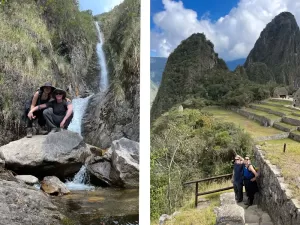
Are you ready to discover the Salkantay Trek?
Explore our Salkantay Trek tour and let our local team help you plan your adventure to Machu Picchu.