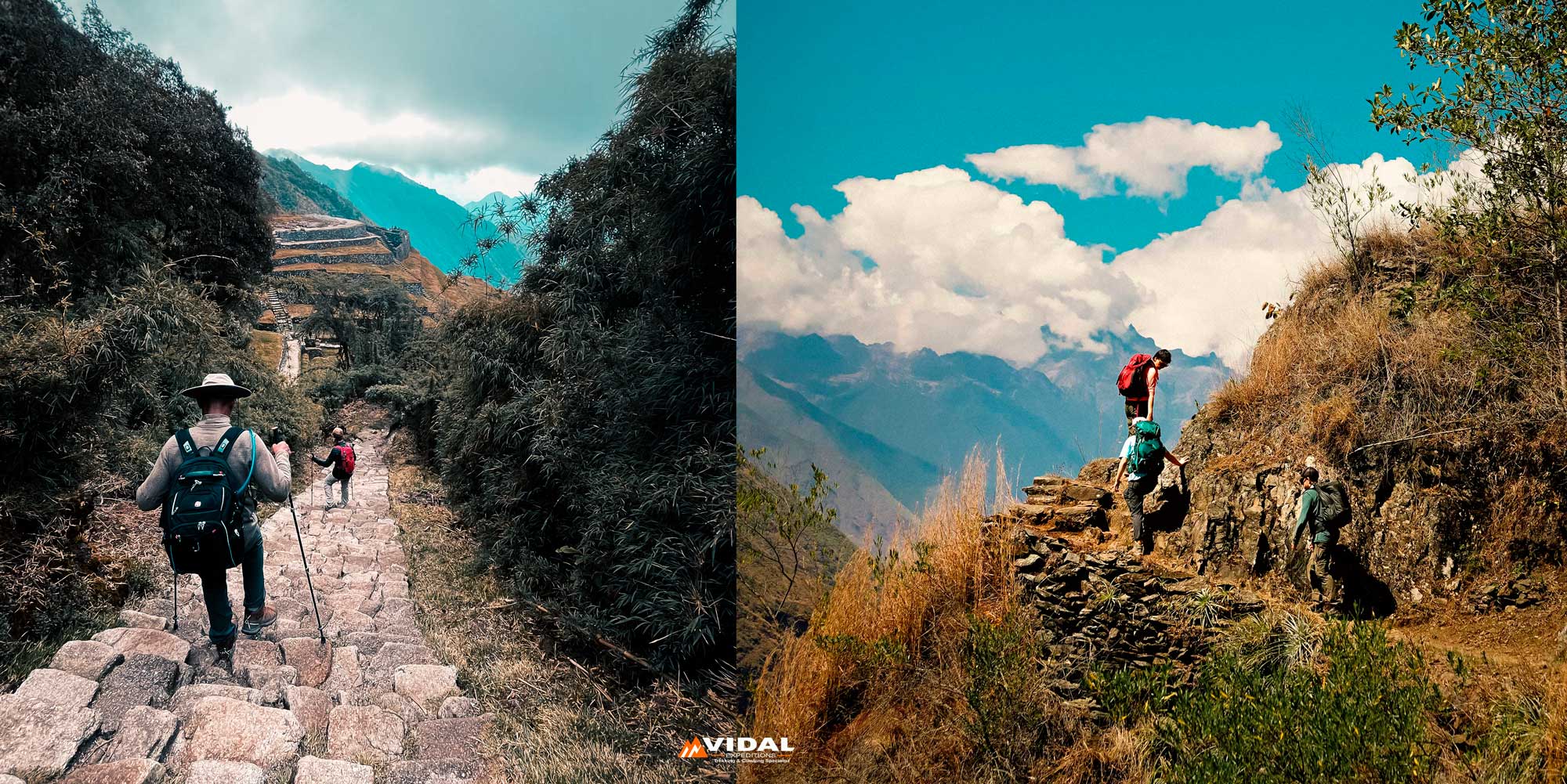
The Inca Trail Hiking Experience
This is one of my life experiences to tell everybody; if I’ve done it, you could do it too!. I will share with you the 4-Day Inca Trail Hike Experience, considered as the Best Inca Trail Treks experience that will inspire excitement. Invoke a little bit of fear, stoke jealousy amongst your friends, and stir a sense of wanderlust in your soul.
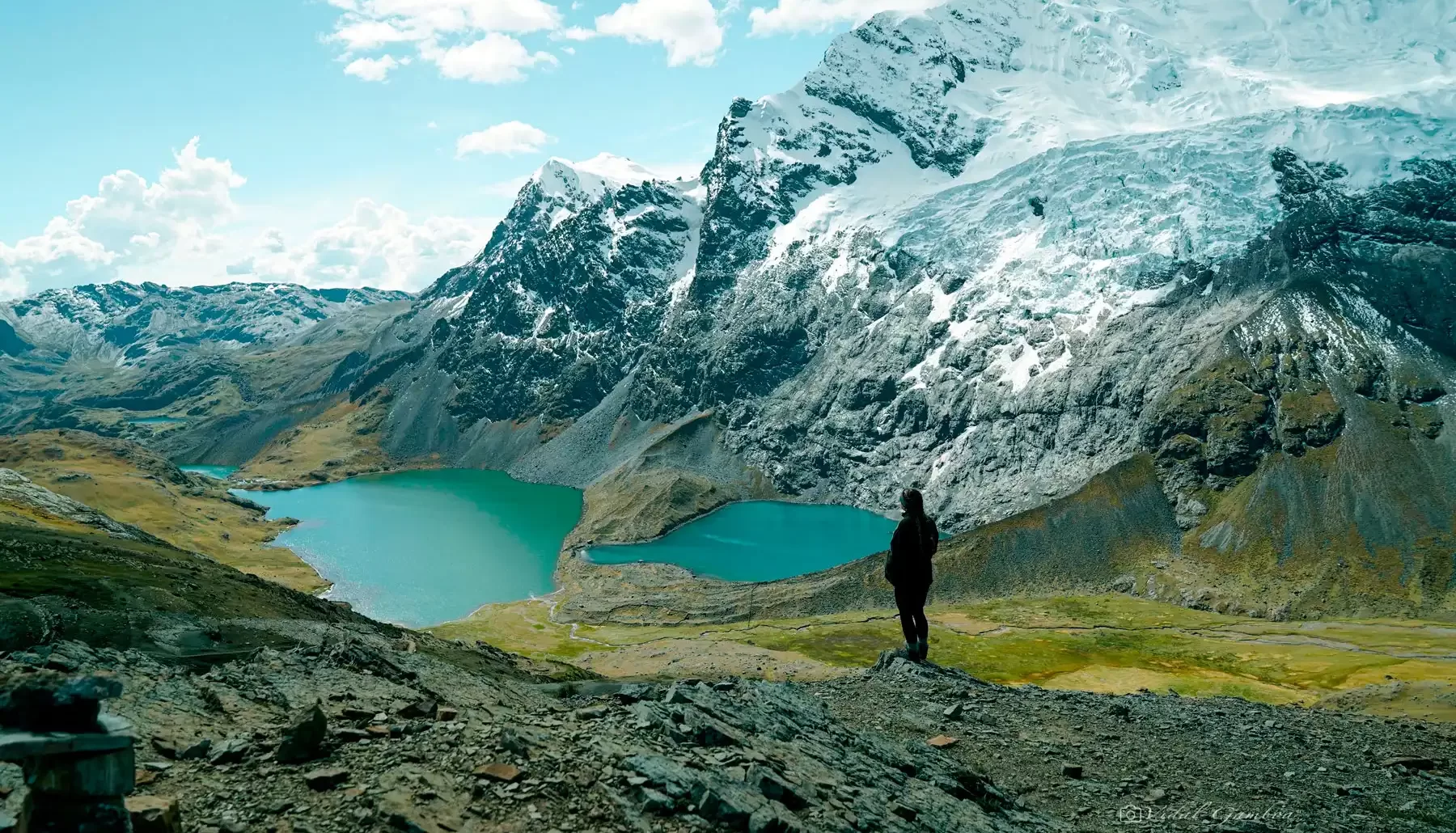
One of the most popular things to do in Peru and South America and one of the world’s most famous hikes. The Classic Inca Trail 4 Days is the unique journey we all embark on. The hike itself brings you along ancient narrow paths, deep into the Peruvian countryside and high in the Andean mountains. It is gorgeous; perfect Incan sites, cloud forests, and majestic valley views are laid out like breadcrumbs along the way to perhaps the greatest endpoint of any multi-day hike on earth, the iconic Machu Picchu.

What exactly is the Inca Trail?
The Classic Inca Trail 4 Days is a well-established and iconic 4-day, 3-night trek that leads travelers from km 82 at the Sacred Valley all the way to Machu Picchu via its exclusive Sun Gate (also called Inti Punku). The good news is that it’s a lot shorter than you may expect at only 43 km (26 miles). The bad news? A significant chunk of those 43 km is up steep, narrow Andean mountain paths at altitude. This Incan Empire (which at its largest joined Peru, Ecuador, Bolivia, Argentina, the north and Chile, and a small part of southwest Colombia). It created thousands of kilometers of trails to connect its important settlements and centers of civilization, but it is this specific 4-day route that is known as the one and only ‘Classic Inca Trail.’ Do note that if you see a tour with fewer days offered, then you are only going to be hiking a small section of the route.
What do you need to know before you leave for the 4-Day Inca Trail Hike Experience?
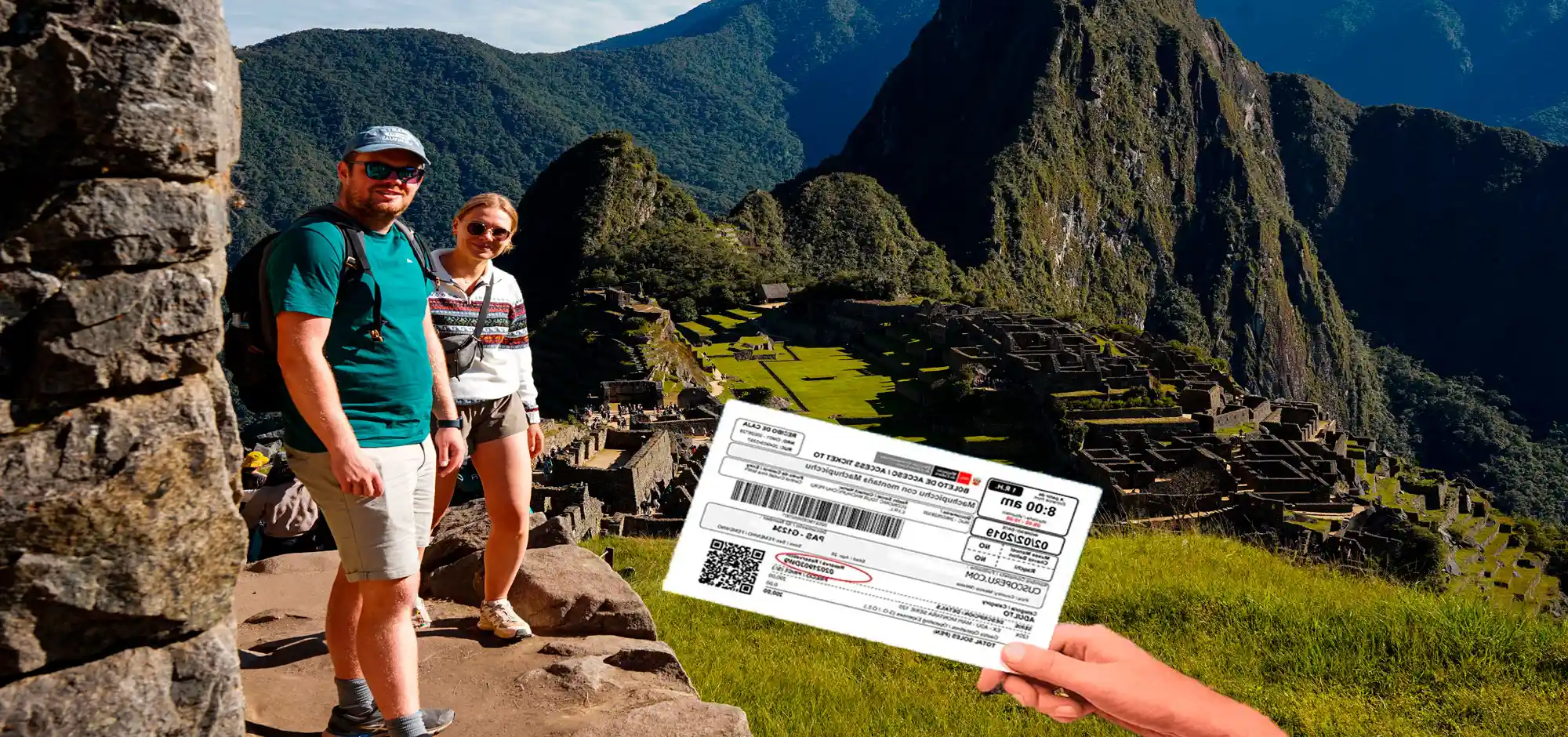
Book with a Travel Company: The Peruvian government requires that a professional guide and porter team accompany all hikers. Only 500 people are allowed on the Inca Trail per day, so make sure you organize your permit and private guide or book a tour in advance. Physical Prep: The Inca Trail is no joke, and even those who are reasonably fit may find themselves short of breath on the trek. I highly recommend, at the very least, hiking before your trip with the gear you’ll carry on the Inca Trail.
It’s a great way to make sure you only pack what you can handle. If you want to get in better shape before the trek, cardio is a great way to increase your endurance, and weight training will strengthen your upper body and legs. Mental Prep: Preparing your mind is just as important as preparing your body. There are parts of the hike that will feel easy and others that will have you questioning your ability to finish the trail. You need to push through those hard moments and keep your motivation in mind to help you reach your final destination.
How to pack for the 4-Day Inca Trail hike experience to Machu Picchu?
Pack light, pack smart, and pack for two very different temperatures; that is the key advice for every Inca Trail experience. However, there are a few key things to know about how luggage and kit are transported on the hike before you even think about whether you really need that extra pair of pants. Firstly, you are going to leave the bulk of your luggage securely in a luggage storage room back at the hotel in Cusco; don’t leave valuables here, though, as that’s just silly. Secondly, for our tour with Vidal Expeditions, we were each supplied with black duffel bags at the VE office.
This duffel bag is allowed to hold up to 7 kg and is going to be where the majority of the kit and equipment you bring for the Inca Trail will be stored (i.e., clothes, sleeping bag, sleeping mat, and toiletries). Every Inca Trail tour worth its salt employs and includes an incredible team of support staff who will carry the camping and cooking equipment plus food supplies on the trail to each campsite (the tour company provides all of this equipment), as well as everyone’s 7 kg duffel bag.
The Local Porters
These local porters, from fresh-faced 18-year-olds to gnarled mountain men, are the unsung heroes of every Inca Trail experience, and they will each carry up to 22 kg on their backs for the group (yep, and you were worried about how hard the Trail would be for you!). Your duffel bag will be collected and weighed each morning to ensure it’s not over the weight limit, and it will be waiting for you along with a set-up tent at each campsite.
So, it’s clear that most of the hard work when it comes to carrying things will be done by others, and Vidal Expedition provides a lot of the key camping equipment. However, you also need to have a small daypack to carry your snacks, camera, water, sunscreen, and any medication on the trail itself; this will be carried by you and only you throughout the trip.

Hiking on the Day 1, Preparing for the hike of the lifetime
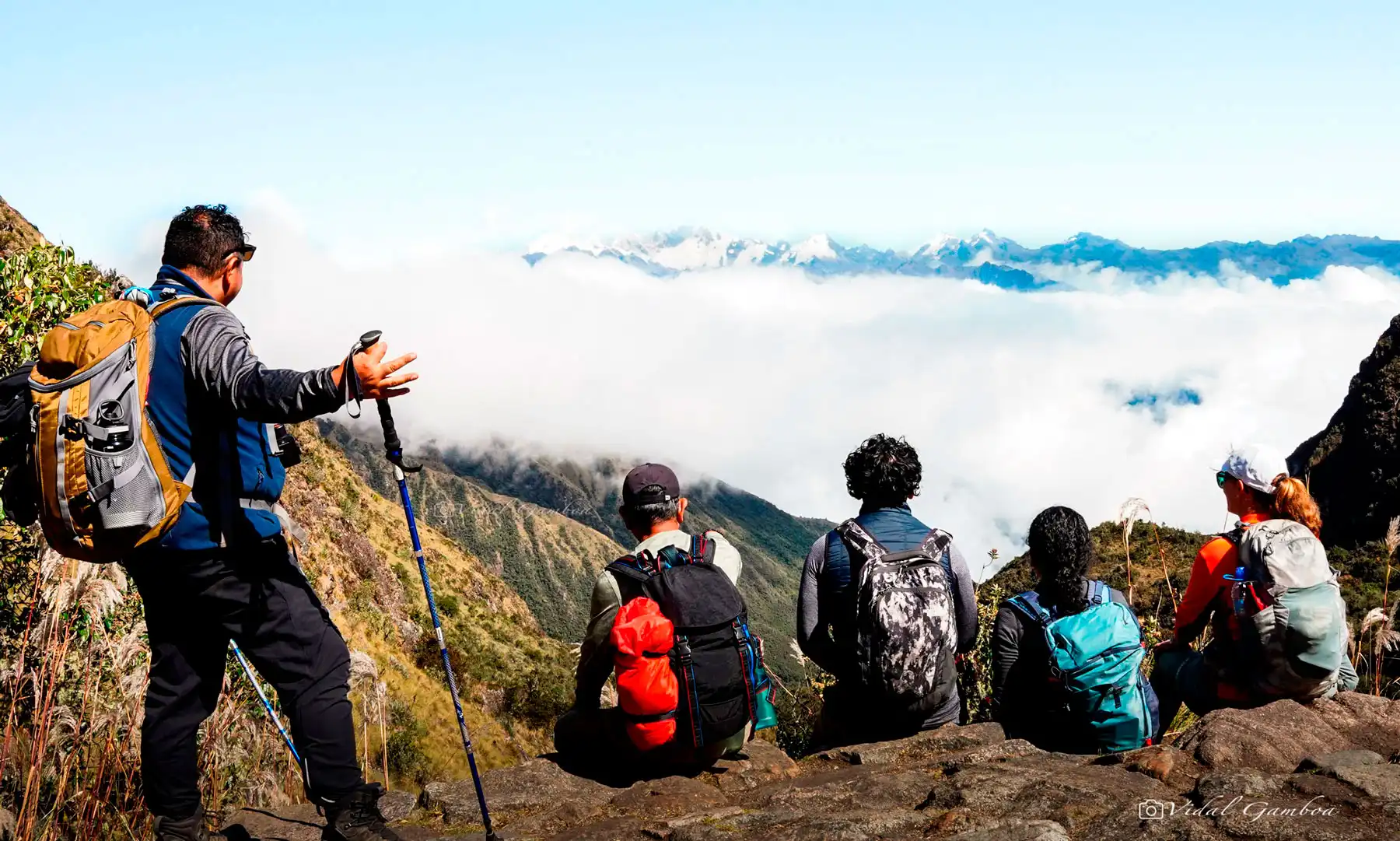
5:00 am wakeup call and all ready for our first day on the Inca Trail! After breakfast in Ollantaytambo, our guide, Jose Antonio, picked us up by bus and headed to kilometer 82 of the railway. On the bus, we met Juvenal and Carlos, our cook team, and the rest of our group, who we would be spending the next four days with. I didn’t really know what I was getting myself into. All I had heard about the Inca Trail was that it was going to be physically challenging and one of the most incredible experiences of my life.
All of us strapped on our packs, grabbed our walking sticks, crossed over the river, and began our 4-day Inca Trail hike experience. Our first stop was at the halfway point, Kanabamba. Jose Antonio showed us these local bugs that live in the cactus, or “tuna,” in the native language, Quechua. When you squish them, their “blood” produces a reddish pigment that is used for coloring fabrics and makeup. Mount Veronika was visible along the trail. It’s the only snow-capped mountain among the Andes we could see.
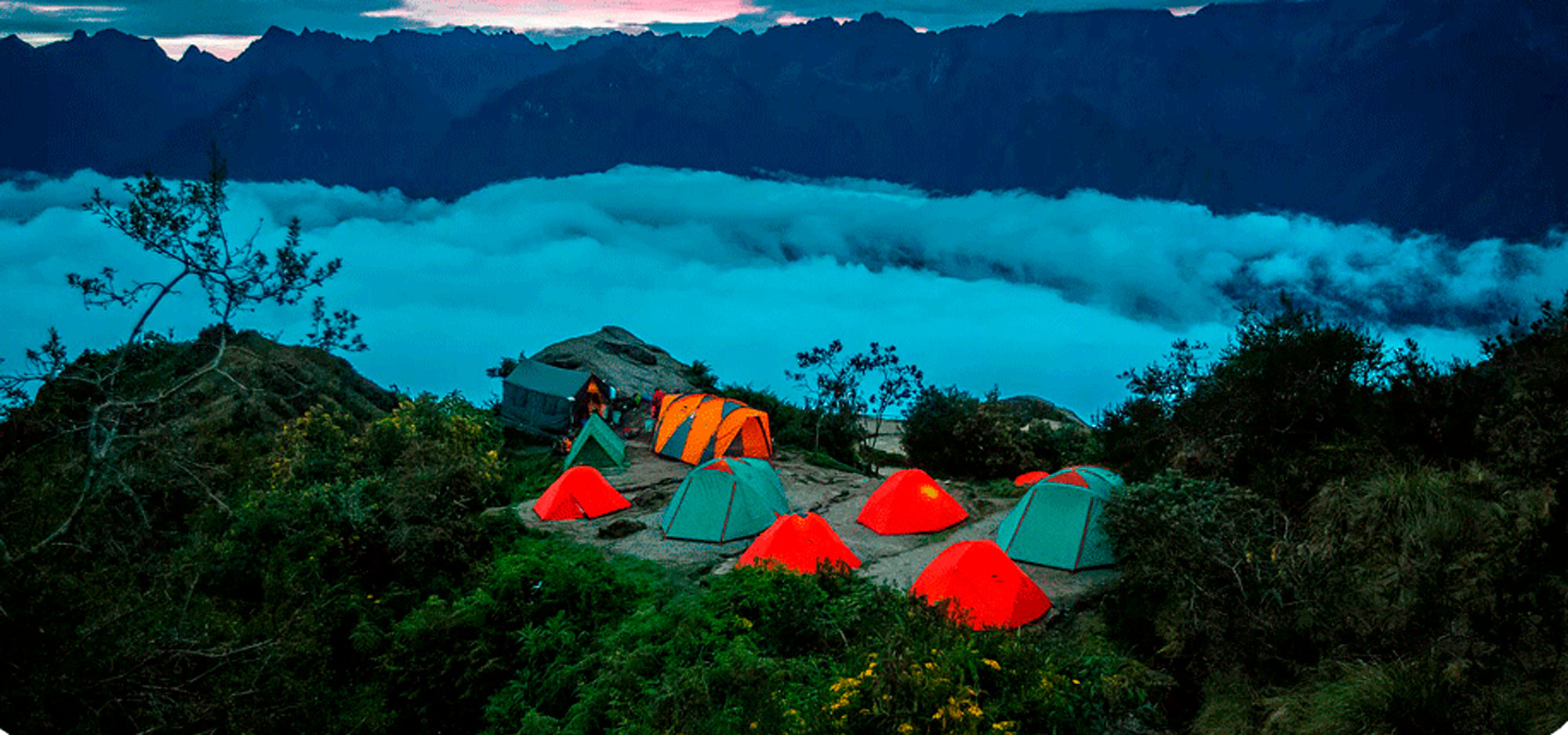
This day is not very challenging, with some short ups and downs, but our guide was very patient and made stops along the way to explain to us about the area and culture of the Incas. We walked 10 kilometers in total and felt pretty good once we reached camp. The view from our tent looked down onto the valley below, with Mount Veronica in the distance.

The Day 2, The Challenges day
We woke up at 5:00 am and were greeted with coca tea in our tent. Coca tea is made from coca leaves, which are used for all kinds of things in Peru. Yes, they are from the same plant used to make cocaine. No, chewing or brewing the leaves does not get you high. Coca leaves, in their natural state, are a traditional part of everyday life for Peruvians. The Porters would literally run past us up the mountain (while we struggled to catch our breath) carrying 20 kilos of gear. Most of them were wearing sandals! (I highly recommend hiring a porter if you are nervous about carrying heavy weight during the trek. It’s difficult without any cargo!
Sage advice?
Pack as light as possible. If you can help it, only carry a hydration pack with water and a light jacket that you can tie around your waist if you warm up. The porters will speed off ahead of your group, so once you start the day, you won’t see them again until you reach camp! Eventually, we made it past what is known as “Dead Woman’s Pass” to the peak at 13,776 feet above sea level. No wonder they call it Dead Woman! While it was quite the achievement, we then had another two-hour hike down the mountain in freezing cold conditions. By the time we reached camp, my body was aching, and all I wanted to do was pass out in our tent.

Experience on Day 3, The longest Day
The wake-up time was at 5:00 am again. And again, I didn’t get a wink of sleep. Today was our longest trek, in total 10 miles, up and down the Andean mountains, but it was such a beautiful day, bright and sunny! So, we took our sweet time taking in the beautiful surroundings. We saw hundreds of lupines and orchids as we hiked through endless jungles and archaeological sites.
It took almost 12 hours to finally reach our next campsite after stopping at different sites and taking multiple breaks. We ended our day just as Machu Picchu mountain appeared through the distant haze. We are just one sleep away from finally reaching Machu Picchu!
The anticipation is killing me, not going to lie. But I’m also getting excited about a warm bed and hot shower!
Finally, on Day 4, Machu Picchu
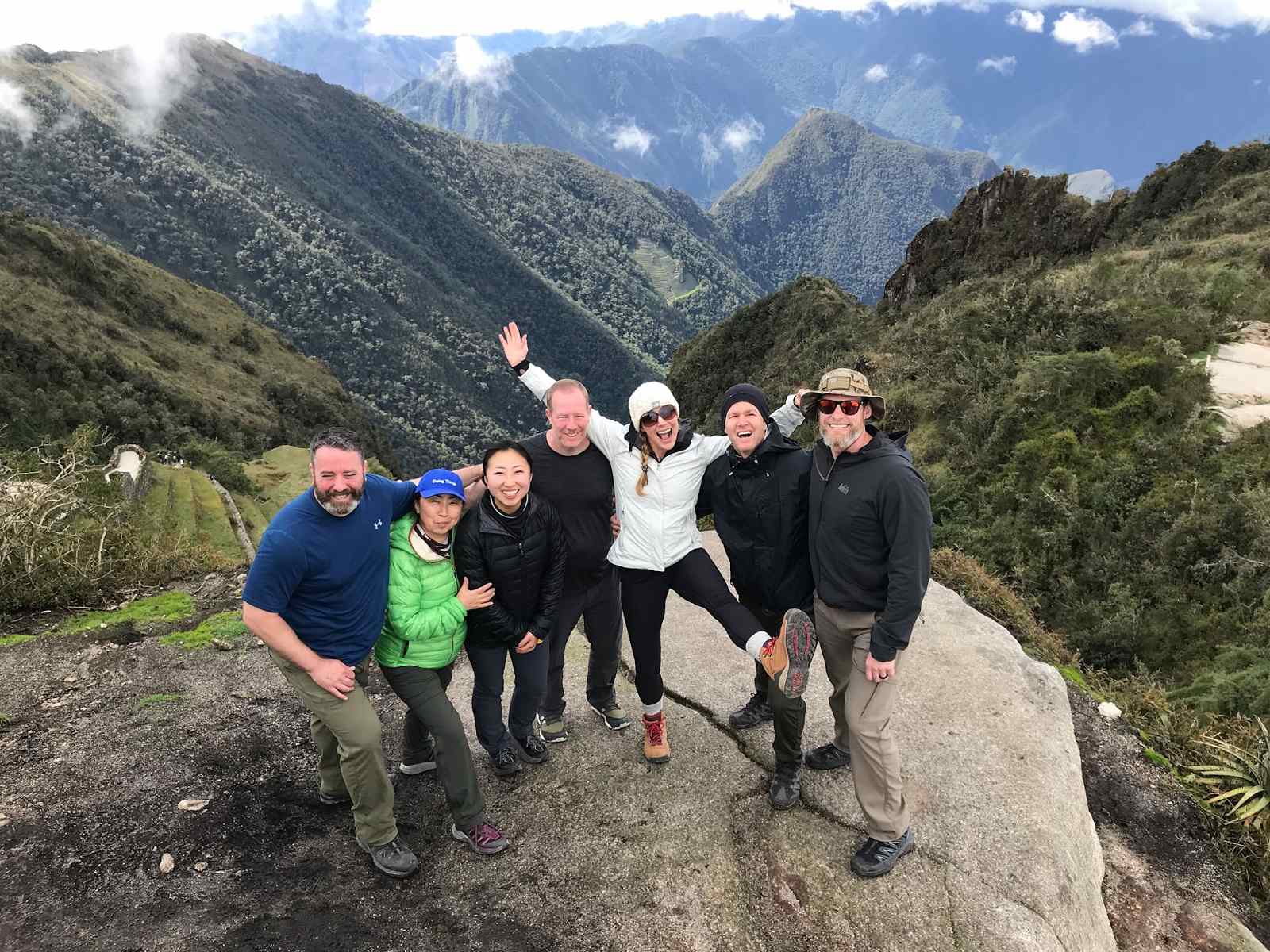
The 4-Day Inca Trail Hike Experience gets to its end with a 6 km hike to Machu Picchu, and we left in the pouring rain and in the pitch black of the early morning. It took a couple of hours to reach Puerta del Sol, or Sun Gate, the first place you can see Machu Picchu from on the trail. The view of Machu Picchu from above was insane! The previous three days of trekking leading up to the moment when it emerged from the clouds were indescribable. I completed the Inca Trail!!!
We have completed it!
This trek was one of the most physically challenging experiences in my life that made me face some of my own personal challenges as well. I spent a lot of time reflecting on my accomplishments, goals, and successes, as well as challenges from this year, and feel like I have a new clear conscience to take with me from this experience. We hiked another hour downhill until we reached the site of Machu Picchu. It was raining, but it actually added to the feeling we had when we arrived. Unbelievable, indescribable… that doesn’t even begin to sum it up.
Machu Picchu
We spent a few hours at Machu Picchu taking pictures, hugging llamas, and playing hide-and-seek around the temples. But the best part of hiking down from Puerta del Sol at sunrise is that you get to be some of the first people at the site. We had lunch in Aguas Calientes, the town just down the way from Machu Picchu, then took the train for a 2-hour journey back to Ollantaytambo. From there, we took the bus to Cusco. Needless to say, it was a looooong day! Our guide and group all planned to go out in Cusco to celebrate, so we powered through the exhaustion and went out for a drink at a place in Cusco.

What do you need to pack for the 4-day trek Experience?
Clothing for the 4-Day Inca Trail hike experience: as mentioned above, the Inca Trail and Machu Picchu weather are unpredictable, and rain can occur even in the driest months of the year, like June or July. It would be best if you always were prepared for all seasons. During the Inca Trail, Salkantay Trek, Lares Trek, and other treks to Machu Picchu, it is better to wear layers to remove or add depending on the weather condition, hiking up to the mountains, or going down to the valley. Temperatures throughout the day can vary dramatically as you pass different ecological zones.
- Undergarments: Bring around 5 or 6 undergarments.
- Thermal base layers (top and bottom)
- Moisture-wicking shirts
- Long-sleeve shirts
- Fleece or down Jackets
- Sunscreen
- Sunglasses
- Plenty of water
- Waterproof and windproof jacket
- Quick-dry hiking pants: (Bring 2 or 3 pairs of hiking trousers)
- Hat or cap for sun protection
- Beanies and Gloves
- Hiking Boots and shoes
- Hiking sandals or comfortable shoes for evenings
- Wool or moisture-wicking socks (4-5 pairs)
Camping equipment for the Inca Trail
- Backpack (30-40 liters) with rain cover
- Sleeping bags: Mummy-style down sleeping bags are recommended for this trek
- Trekking poles (with rubber tips)
- Hydration bladder or water bottles (2-liter capacity)
- Headlamp or flashlight with extra batteries
- Portable charger/power bank
- Travel money: Extra cash we recommend in soles
Frequently Asked Questions Inca Trail
How hard is the 4-Day Inca Trail?
The Classic Inca Trail is considered moderately strenuous. It covers about 43 km (26 miles) over 4 days, with the toughest section being Dead Woman’s Pass at roughly 4,215 m (13,828 ft), the highest point on the trek. Good fitness and prior acclimatization in Cusco are recommended.
Do you need a permit for the Inca Trail?
Yes. The Peruvian government limits access to around 500 people per day, including guides and porters, so a permit is required and must be booked through a licensed tour operator. Independent trekking without a permit and guide is not allowed.
How far in advance should I book the Inca Trail?
Permits sell out months ahead, especially for the June to September high season. Booking 4 to 6 months in advance is recommended, and even earlier for peak dates.
What is the best time to hike the Inca Trail?
The dry season, from May to September, offers the most reliable weather. The trail is closed every February for annual maintenance.
What should I pack for the 4-Day Inca Trail?
Essentials include a 30-40 liter backpack with a rain cover, layered clothing for changing temperatures, sturdy broken-in hiking boots, a warm sleeping bag, sun protection, and a reusable water bottle. Porters typically carry group gear and camping equipment, so day packs can stay light.
Is the 4-Day Inca Trail worth it compared to shorter alternatives?
The Classic 4-Day Inca Trail is the only route that arrives at Machu Picchu through the Sun Gate on foot, following the original Inca route. Shorter treks and alternative routes can be faster or less expensive, but they don’t offer this same historic entrance.
Written by: Amanda White. California, USA