Cusco Altitude | How to Prevent Altitude Sickness in Cusco
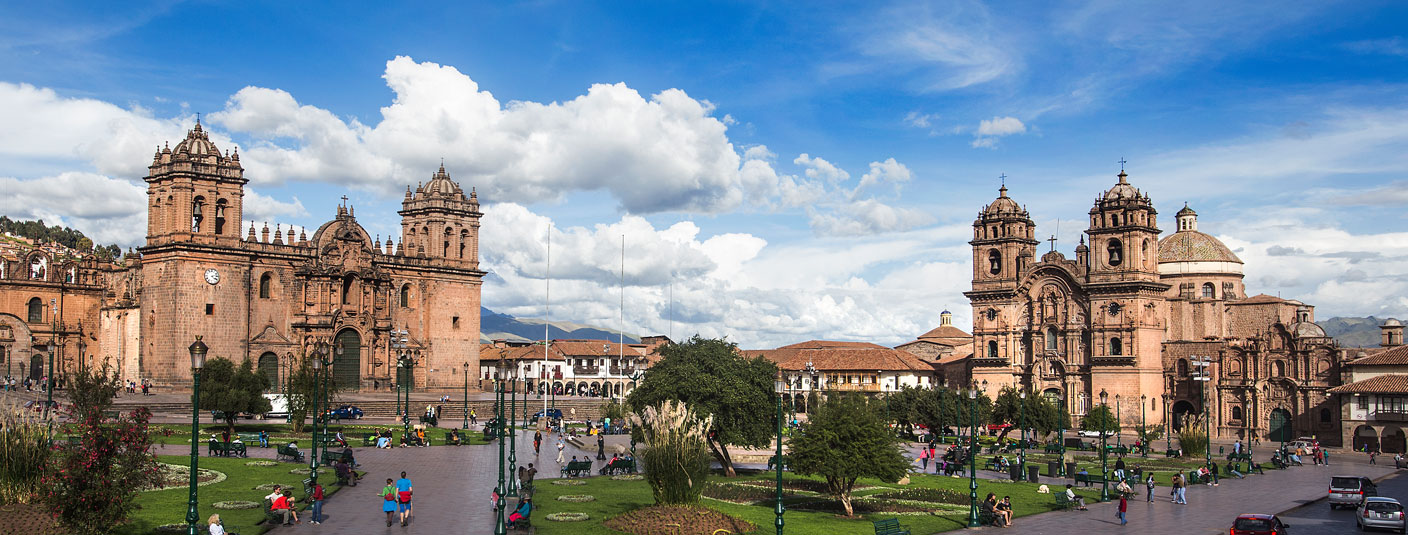
Cusco is located at approximately 3,400 meters (11,150 feet) above sea level in the Peruvian Andes.
Because many travelers arrive from much lower elevations, the altitude can be noticeable during the first days of a trip.
Understanding Cusco's elevation, recognizing common altitude-sickness symptoms, and allowing time to acclimatize can help you plan your visit more comfortably.
Cusco is also higher than Machu Picchu, while destinations such as Rainbow Mountain and Humantay Lake are considerably higher.
Understanding these differences is especially important if you plan to combine sightseeing in Cusco with hiking or trekking in the Andes.
Why Are People Affected by the Altitude in Cusco?
People can be affected by Cusco’s altitude because the city sits about 3,400 meters (11,150 feet) above sea level,
where air pressure and available oxygen are lower than at sea level. Travelers arriving from lower
elevations may need time to acclimatize. Rapid elevation gain can cause symptoms such as headache, dizziness, fatigue, nausea, and shortness of breath.

Machu Picchu vs. Cusco Altitude
Machu Picchu is approximately 2,430 meters (7,970 feet) above sea level, while Cusco is around 3,400 meters (11,150 feet).
This means Machu Picchu is approximately 1,000 meters lower than Cusco.
Aguas Calientes, the town where many visitors stay before visiting Machu Picchu, is even lower at approximately 2,040 meters.
Will I Feel Altitude Sickness at Machu Picchu?
Many travelers notice the effects of altitude more when they first arrive in Cusco than when they visit Machu Picchu because the archaeological site is considerably lower.
Sacred Valley Altitude
The Sacred Valley located 35km away on the northwest of Cusco city.
Its altitude varies between towns and archaeological sites, making some parts of the valley attractive to travelers planning a more gradual transition to higher elevations.
- • Pisaq: 2,980 meters / 9,776 feet above sea level
- • Calca: 2,929 meters / 9, 609 feet above sea level
- • Urubamba: 2,870 meters / 9,416 feet above sea level
- • Ollantaytambo: 2,792 meters / 9,160 feet above sea level
Take note that each of these places has some Inca archaeological sites that can be higher than the same town. For example:
- • Pisac Archaeological site: 3,340 meters / 10,958 feet above sea level
- • Moray archaeological site: 3500 meters / 11,482 feet above sea level
- • Chinchero archaeological site: 3,754 meters / 12,316 feet above sea level
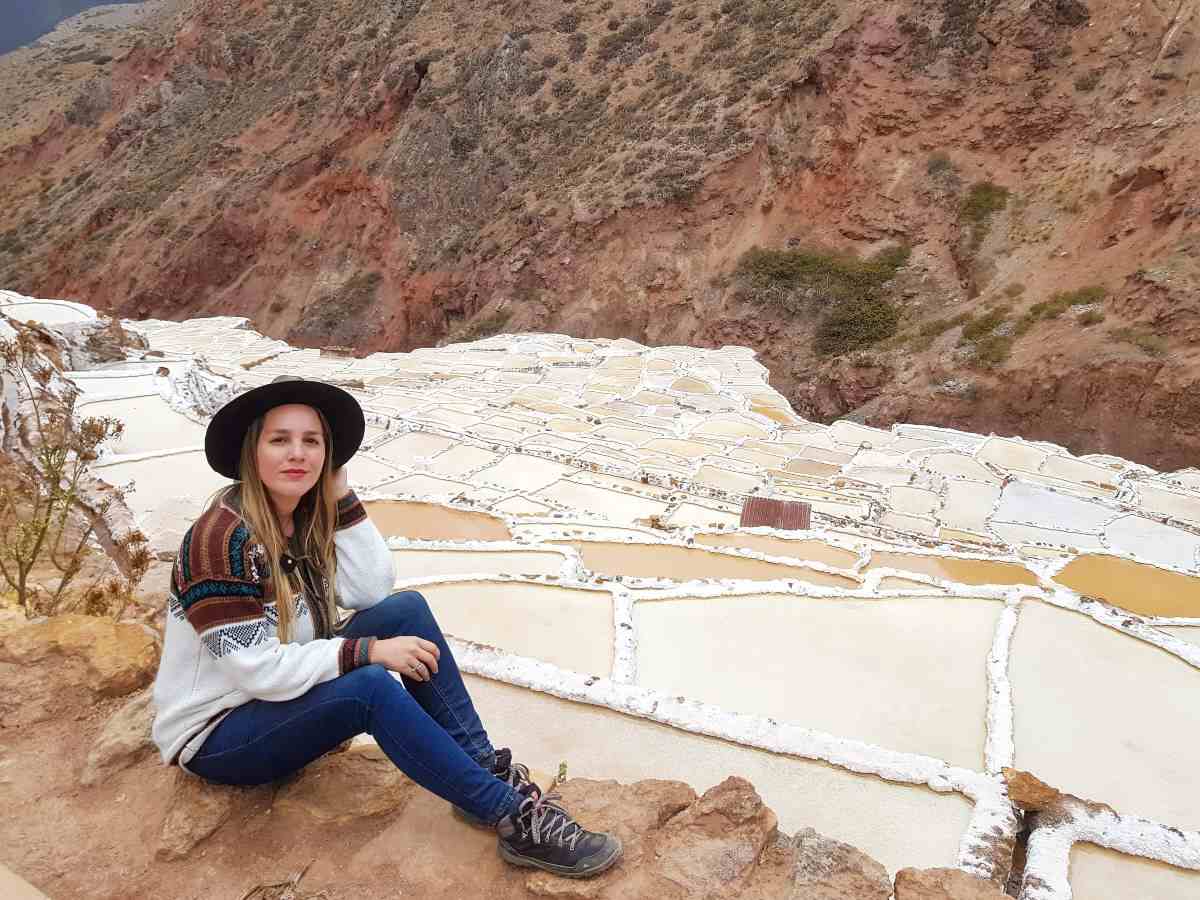
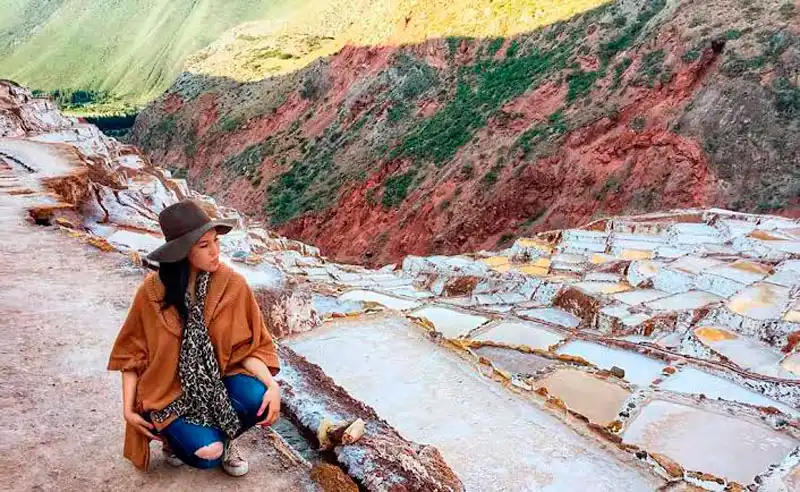
- • Salt Mines of Maras or Salineras: 3,002 meters / 9,849 feet above sea level
Rainbow Mountain Altitude: How High Is Vinicunca?
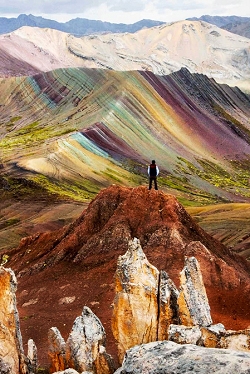
The Rainbow Mountain, also known as Vinicunca or the Mountain of Seven Colors, reaches approximately 5,036 meters (16,522 feet) at the main viewpoint.
The trailhead is already above 4,600 meters, meaning visitors begin the hike at an elevation considerably higher than Cusco.
If you are going to explore the Red Valley, it is a little lower than Rainbow Mountain. The altitude of this amazing red valley is 4,985 meters (16,354 feet) above sea level.
Can I Visit Rainbow Mountain Right After Arriving in Cusco?
It is generally better to allow time for acclimatization before attempting a strenuous excursion at more than 5,000 meters.
How quickly a person acclimatizes varies, so travelers should consider their previous altitude exposure, itinerary and how they feel before attempting the hike.

Humantay Lake Altitude
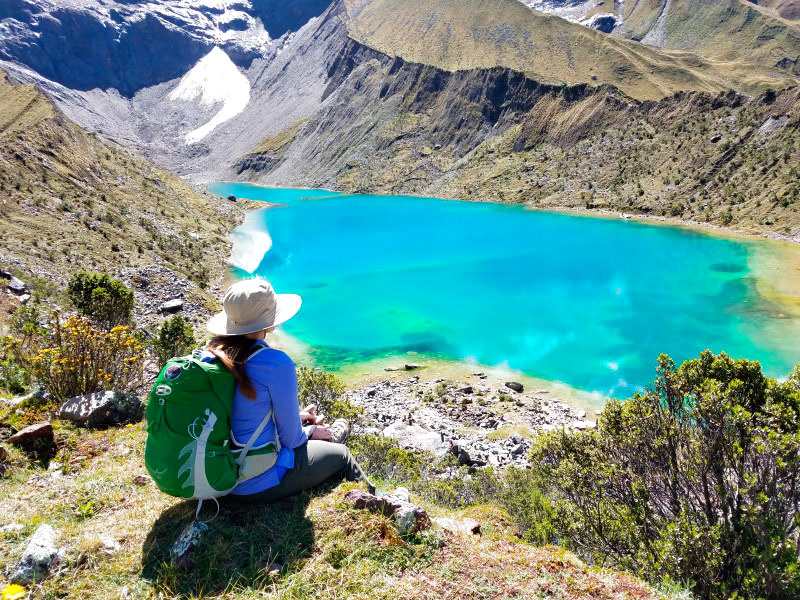
Humantay Lake is one of the most popular high-altitude hiking destinations near Cusco.
Located near Mollepata on the route toward Salkantay Mountain, the lake sits at approximately 4,200 meters (13,780 feet) above sea level.
The hike begins at approximately 3,810 meters (12,500 feet), already higher than the city of Cusco.
Inca Trail Altitude
The Classic Inca Trail reaches its highest point at Dead Woman's Pass, approximately 4,215 meters (13,828 feet) above sea level.
However, it starts near to the Sacred Valley at 2,700 meters, and finilize at Machu Picchu at 2,430 meters above sea level
How high is the Inca Trail compared with Cusco?
The Inca Trail reaches a much higher elevation than Cusco. Cusco is approximately 3,400 meters (11,150 feet) above sea level,
while the Classic Inca Trail reaches its highest point at Dead Woman’s Pass, around 4,215 meters (13,828 feet).
This means the trail’s highest point is about 815 meters (2,678 feet) higher than Cusco.
Saccsayhuaman and around
Cusco has fantastic archaeological sites that can be visited during your journey, and some of them are located near Cusco city; these places are mostly included during the city tour activity.
Here are the exact altitudes of each highlight around Cusco.
- • Saccsayhuaman: 3,500 meters / 11,482 feet above sea level.
- • Qenqo: 3,580 meters /11,745 feet above sea level.
- • Puca Pucara: 3,620 meters / 11,876 feet above sea level.
- • Tambo Machay: 3,700 meters / 12,138 feet above sea level.
What Is Altitude Sickness and What Causes It?
Altiude sickness, also known as soroche or mountain sickness, is a group of symptoms that can strike if you walk or climb to a higher elevation, or altitude, too quickly.
Altitude sickness does not affect everyone in the same way. Travelers arriving from lower elevations may experience symptoms because their bodies need time to adjust to the lower air pressure and reduced oxygen availability at high altitude.
What causes the altitude sickness?
At higher elevations, atmospheric pressure decreases, which means there is less oxygen available with each breath.
When someone travels rapidly from a lower elevation to a high-altitude destination such as Cusco, the body needs time to adapt to these changes.
This process is known as acclimatization.
Altitude sickness can affect people differently, and previous experience at high altitude does not guarantee that someone will avoid symptoms on a future trip.
What Are Altitude Sickness Symptoms?
If you live below 1,000 meters above sea level and visit Cusco, it is most likely that you will feel the following symptoms of altitude sickness.
- • Headache
- • Dizziness
- • Nausea
- • Vomiting
- • Fatigue and loss of energy
- • Shortness of breath
- • Problems with sleep
- • Loss of appetite
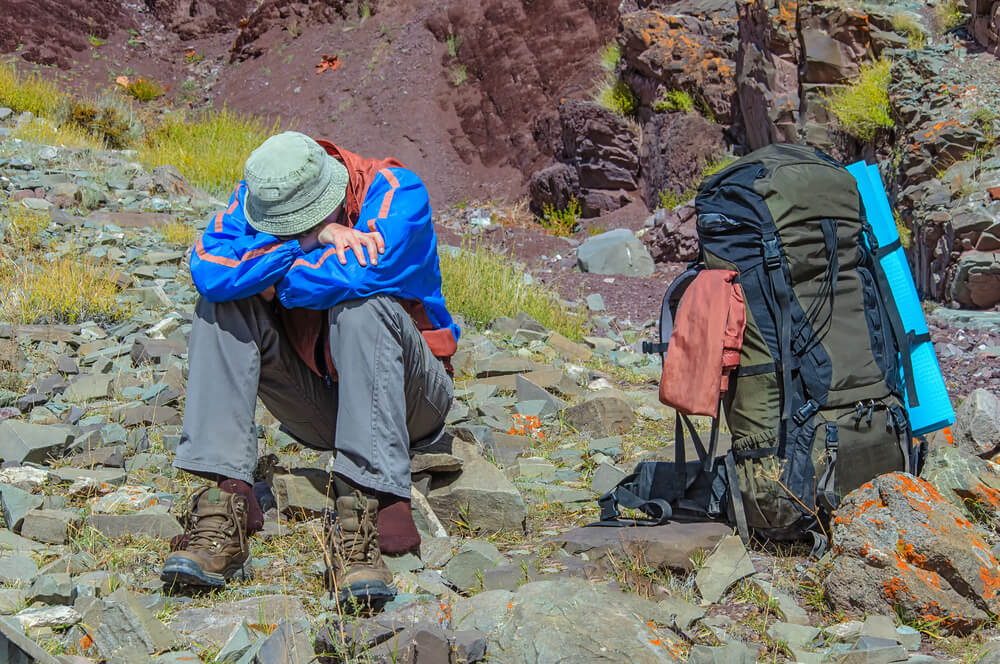
Symptoms usually come on within 12 to 24 hours of reaching a higher elevation and then get better within a day or two as your body adjusts to the change in altitude.
If you have a more moderate case of altitude sickness, your symptoms might feel more intense and not improve with over-the-counter medications. Instead of feeling better as time goes on, you’ll start to feel worse. You’ll have more shortness of breath and fatigue.
How Can Altitude Sickness in Cusco be prevented?
The best way to reduce the risk of altitude sickness is to give your body time to acclimatize.
Avoid rushing into strenuous activities immediately after arriving in Cusco, especially if you are traveling from a much lower elevation.
You’ll want to climb to higher altitudes gradually.
Going slowly helps your lungs get more air through deeper breaths and allows more of your red blood cells to carry oxygen to different parts of your body.
Some basic guidelines for acclimatization are:
- Start your journey below 10,000 feet. If you have to fly or drive somewhere that’s higher up, stop at one destination that’s lower for at least a full day before going any higher Arequipa or Ica could be a great option before to reach Cusco.
- If you do fly or drive somewhere and can’t spend time at lower elevations on the way, the drug acetazolamide can help speed up acclimatization.
- If you walk, hike, or climb over 10,000 feet, only go up an additional 1,000 feet per day. For every 3,000 feet you climb, rest at least a day at that height.
- “Climb high and sleep low”: If you have to climb over 1,000 feet in a day, make sure you come back down to a lower altitude to sleep.
- Drink 3-4 quarts of water every day, and make sure about 70% of your calories are coming from carbs.
- Don’t use tobacco, alcohol, or medications such as sleeping pills, especially for the first 48 hours. Caffeine is OK if you normally drink it.
- Don’t vigorously exercise for the first 48 hours.
- Know how to identify the first signs of altitude sickness. Move to a lower elevation right away if you start to have these symptoms.
How Vidal Expeditions Team will help with the Cusco Altitude Sickness ?
At Vidal Expeditions we know very well that our 65% of customers
comes from the sea level and more of them are not used to be over 3,360 meteres / 11,023 feet. That is why we seriously care about every symptom of this altitude sickness.
All our team members are very well trained to deal with any type of emergency.
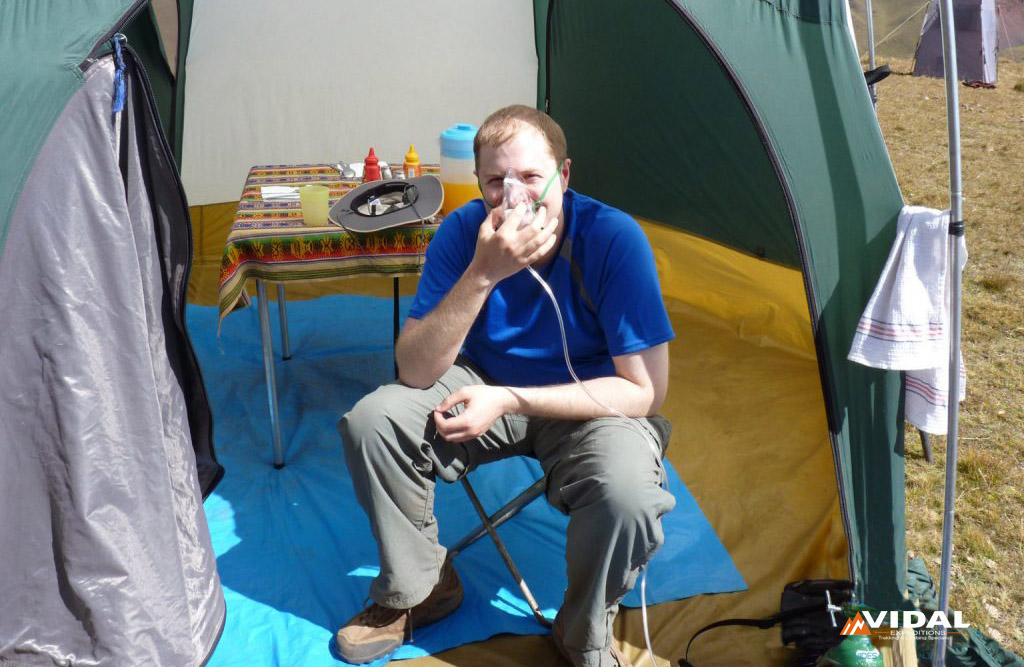
All our tour guide will carry an oxygen tank and an item of First Aid Kit during our different excursions.
"When our team are well prepared, you are safe and you will enjoy your joruney"